From 19Th-Century Science to Viral Hoax: the History of the Red Bull Rumor
 By Robert Thorne
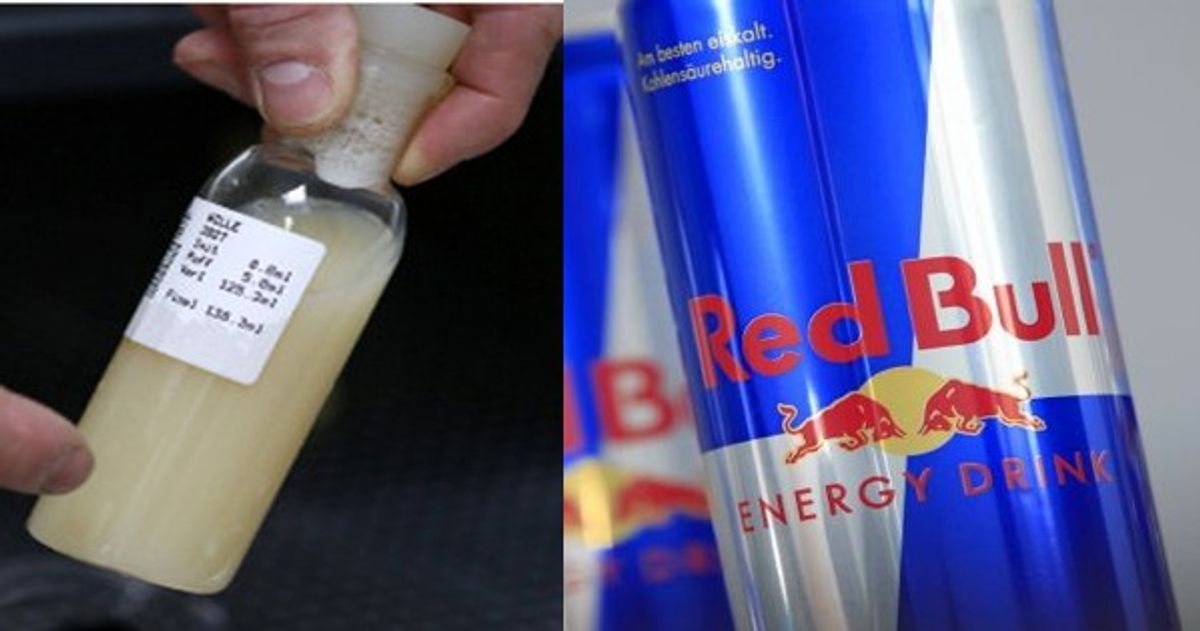
Beyond the biology, basic industrial economics completely invalidates the bull semen myth. Red Bull sold over 12 billion cans globally in 2023 alone, with each standard 250 ml can containing exactly 1,000 mg (1 gram) of taurine. Supplying that volume through animal extraction would require thousands of metric tons of organic tissue every year.
Harvesting biological fluids from livestock is expensive, inconsistent, and fraught with contamination risks. In contrast, synthetic taurine is cheap, exceptionally pure, and scalable. Commercial taurine is produced in industrial chemical facilities through the reaction of ethylene oxide (or monoethanolamine) with sodium bisulfite, followed by purification and crystallization. The resulting compound is identical to the taurine produced in the human body, but it never touches an animal.
Every commercial energy drink brand, from Red Bull to Monster and Rockstar, utilizes this synthetic process. Producing taurine synthetically ensures batch consistency, eliminates pathogens, and guarantees compliance with global consumer requirements. It costs roughly $2 to $4 per kilogram to synthesize pharmaceutical-grade taurine in bulk. Sourcing biological matter from cattle would drive production costs up by orders of magnitude while introducing severe stability defects.
Robert Thorne covers electric vehicle innovations, autonomous driving systems, global mobility trends, and automotive engineering developments.
