From 12 Mini to Foldable Horizons: the Complete Evolution of Compact iPhones
 By Sophia Al-Mansoor
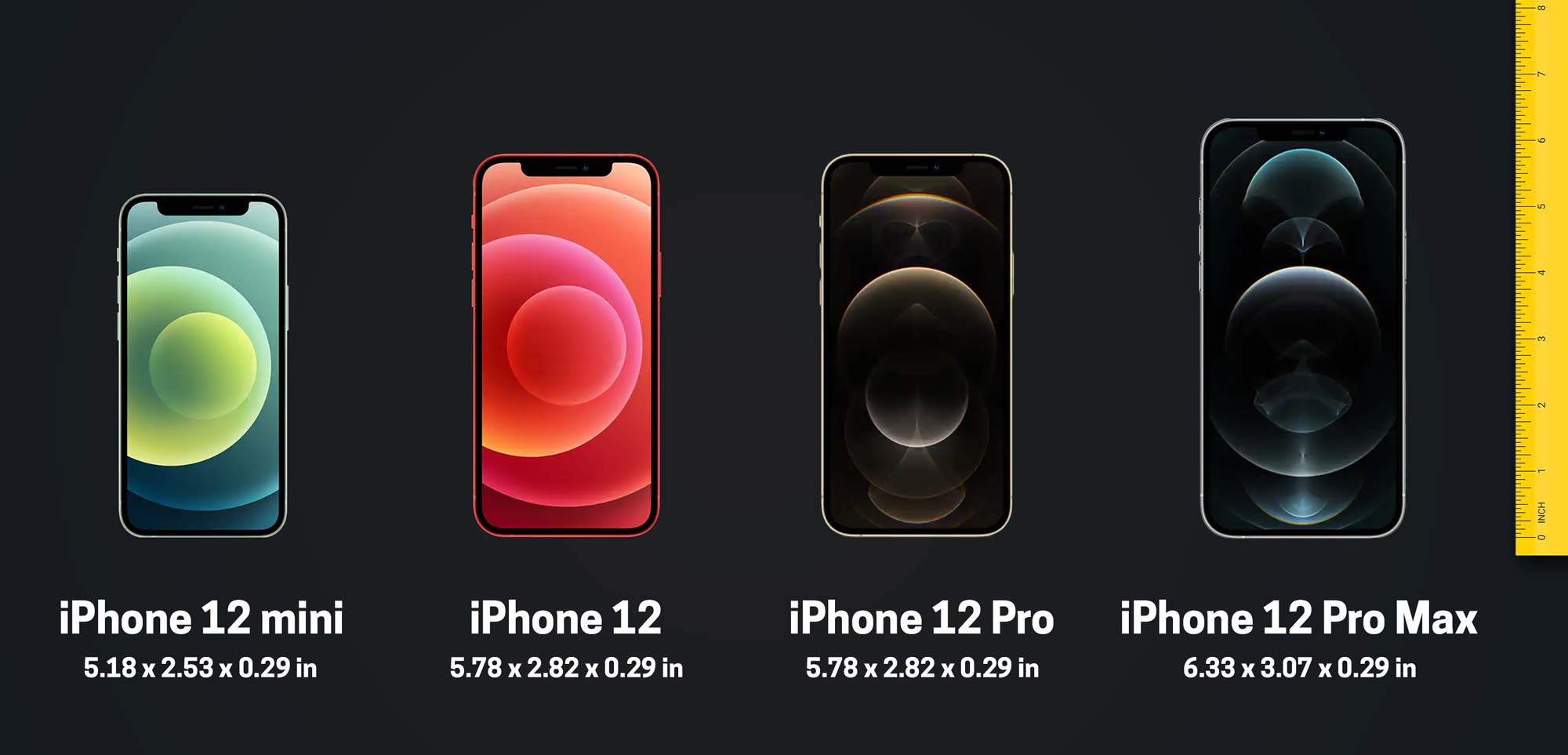
The death of the mini line was rooted in digital consumption trends. The small phone was an ideal utility device for communication, rapid messaging, and quick photo captures. But the modern smartphone is primarily a portable cinema, gaming station, and social video terminal.
Short-form vertical video apps, complex mobile gaming interfaces, and text-dense web apps made small screens exhausting over prolonged sessions. At the same time, regional pricing influenced buying decisions. With the iPhone 12 mini priced at $699 and the standard iPhone 12 at $799, consumers viewed the $100 price difference as too small to justify losing display area and battery endurance. Carrier retail promotions also softened price barriers, letting shoppers bundle larger models into nominal monthly installment plans.
Supply chain telemetry gathered by industry monitors quickly confirmed low consumer demand. The mini accounted for roughly 4% to 5% of quarterly iPhone sales in major domestic markets. PhoneArena documented the shift, labeling the small flagship an ideological success for purists that turned into an undeniable commercial flop. By late 2022, Apple discontinued the mini form factor in its newest lineup, replacing it with the 6.7-inch iPhone 14 Plus.
Sophia analyzes international trade, startup ecosystems, retail transformation, and supply chain logistics for modern digital publications.
