From 12 Mini to Foldable Horizons: the Complete Evolution of Compact iPhones
 By Sophia Al-Mansoor
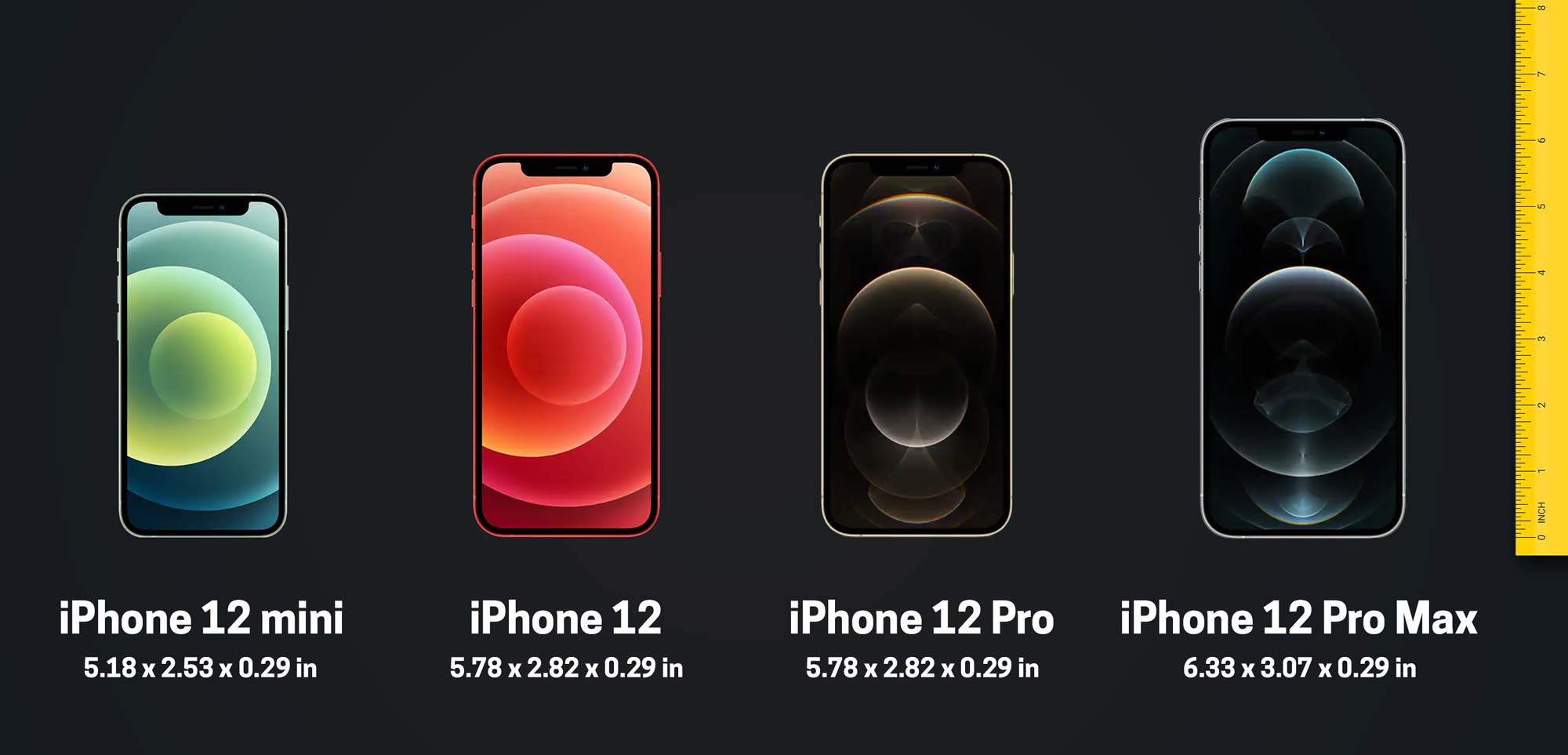
The engineering story of the device begins with its raw footprint. Apple achieved an exceptionally high screen-to-body ratio by shaving internal margins to the millimeter. At 131.5 mm in height, 64.2 mm in width, and a razor-thin 7.4 mm depth, the handset sat noticeably smaller than the physical envelope of the older iPhone 6, 7, and 8 series, despite featuring a significantly larger viewable area.
Its total device weight in grams settled at an astonishing 133 grams. To put that in perspective, the standard iPhone 12 weighed 162 grams, while the iPhone 12 Pro crossed 187 grams. The frame relied on aerospace-grade aluminum edges with flat, squared-off borders, protected by a flat Ceramic Shield front that offered four times better drop performance than prior generations. Inside, the main logic board had to be split and stacked into an ultra-dense sandwich configuration, while the haptic Taptic Engine was scaled down to free up internal volume for antenna lines.
The result was unprecedented structural density. It felt like a solid block of glass and metal rather than a hollow shell. Users could wrap their fingers fully around the chassis without overextending their tendons, providing an ergonomic grip unmatched by any contemporary premium rival.
Sophia analyzes international trade, startup ecosystems, retail transformation, and supply chain logistics for modern digital publications.
