Florida's Secret Turquoise Haven: Inside Madison Blue Springs' Hidden Underwater Realm
 By Chloe Bennett
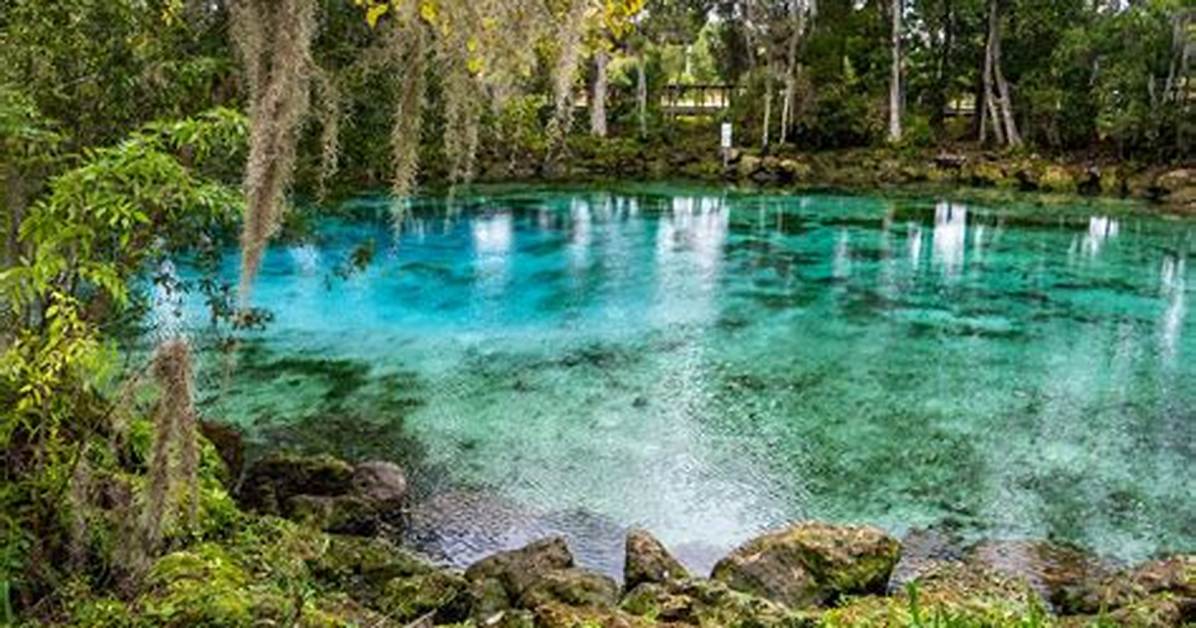
Surging interest in Florida freshwater springs has triggered substantial resource management challenges across the state park system. On holiday weekends, Madison Blue Spring State Park regularly hits its physical parking capacity within an hour of opening. Park rangers close the entry gates as soon as vehicle thresholds are reached, using a one-in, one-out system to prevent overcrowding on the fragile wooden walkways and limestone banks.
The natural basin suffers when foot traffic exceeds carrying capacity. Footsteps erode the thin topsoil covering the limestone, sending sediments into the basin and smothering native aquatic vegetation. Park authorities strictly ban alcohol, glass containers, and disposable food packaging in the water zone to curb litter. Divers must register at the iron ranger station, sign formal liability waivers, and show proof of proper cave credentials before carrying heavy tanks down to the launch stairs.
Beyond surface traffic, broader regional hydrogeology presents long-term environmental concerns. Municipal pumping, industrial bottling plants, and agricultural water usage pull substantial volume from the Floridan Aquifer across North Florida and South Georgia. Lowered aquifer levels can reduce spring flow rates, allowing river tannins and agricultural nitrates to degrade the clarity of the spring pool. Local conservation groups monitor discharge rates continuously to ensure spring volume remains safely above critical ecological thresholds.
Chloe Bennett explores the intersection of pop culture, streaming entertainment, digital trends, and contemporary lifestyle. Her weekly commentary reaches thousands of culture enthusiasts.
