Fencing Tactics Demystified: the Truth Behind Right-of-Way Rules and Point Scoring
 By David Miller
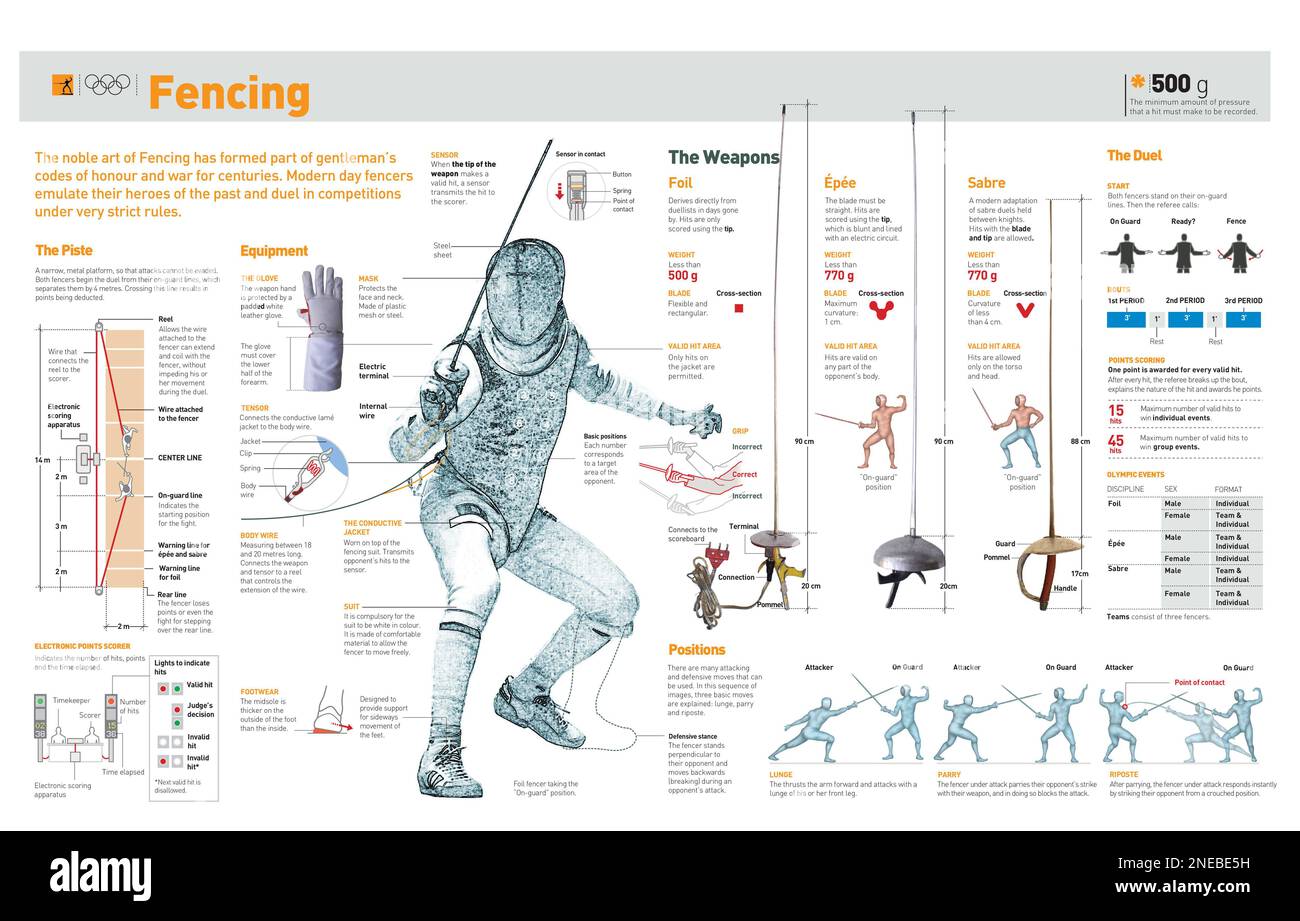
Sabre bouts move with blinding speed, often concluding within two seconds of the referee's command. Sabre scoring conventions incorporate edge cutting alongside direct tip thrusts, increasing valid striking angles. Because athletes cannot cross their legs while moving forward (a rule designed to prevent reckless collisions), footwork relies heavily on explosive advances, directional shifts, and sudden lunges.
Most sabre bouts center on the middle four meters of the strip. At the command to fence, both competitors sprint toward each other across the starting line.
If both athletes execute a simple lunge simultaneously, the referee calls a simultaneous action: no points are awarded, and both fencers reset at their en garde lines. Sabre strategy focuses entirely on breaking that symmetry. Fencers use brief half-tempo delays, blade beats (hitting the opponent’s weapon to claim priority), or subtle changes in foot speed to provoke an early strike from their opponent. The competitor who remains composed can parry the wild cut or sidestep the incoming attack to deliver a lethal counter-strike.
David Miller brings 15 years of experience in global economics, personal finance strategy, and market dynamics. He specializes in turning complex economic trends into actionable insights for everyday readers.
