Fake vs Reality: How Scammers Weaponize Celebrity Ai Deepfakes in Tiktok Ads and Viral Clips
 By Alexander Ross
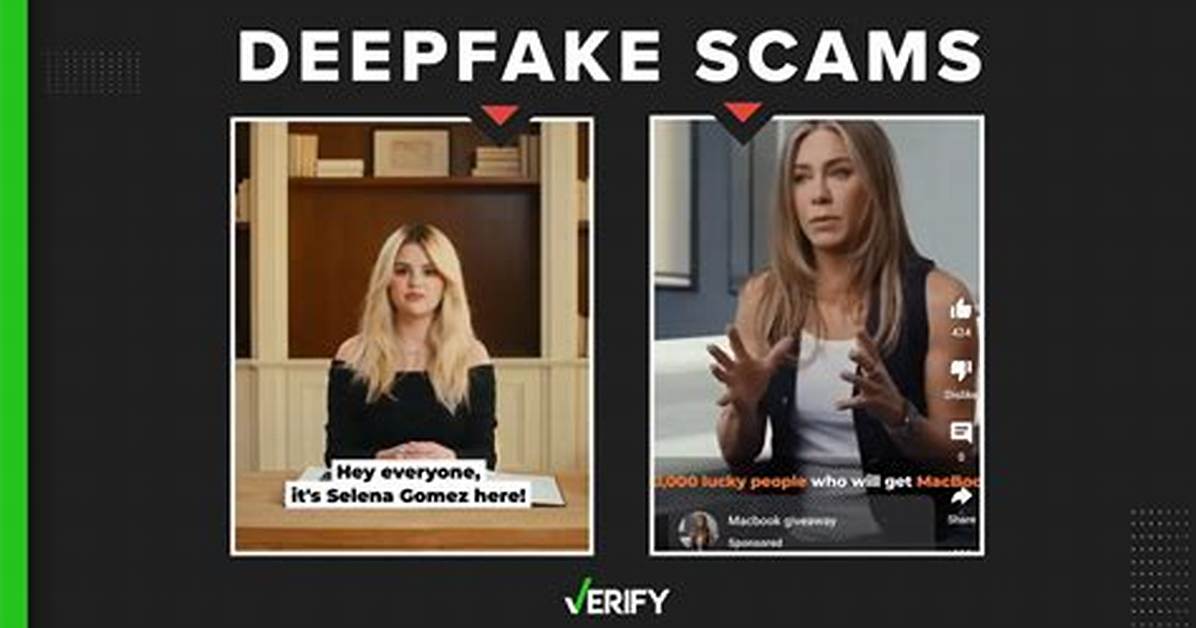
Behind every viral deepfake campaign sits an intricate financial mechanism. Content rings do not post these videos merely for online notoriety. They buy compromised agency ad accounts or construct burner profiles using virtual private servers.
A legal analysis from European law firm Kancelaria Skarbiec examining social ad revenue highlighted the thorny issue of platform incentives: big tech networks collect upfront ad revenue on impressions before automated safety systems can detect and shut down fraudulent campaigns. Even when an ad runs for just four hours before removal, that window allows millions of impressions. At scale, conversion rates of just 0.1% yield substantial payouts for criminal networks.
The revenue flows through several primary channels:
- Off-platform subscription funnels: Bait videos promise full versions of explicit or scandalous celebrity media, directing users to third-party portals demanding a $1 to $5 verification fee that initiates recurring billing traps.
- Counterfeit e-commerce stores: Exploitative clips direct users to temporary online storefronts offering celebrity-branded merchandise that never ships.
- Data broker harvesting: Forms masquerading as fan club registrations or sweepstakes collect phone numbers and home addresses for resale to spam operations.
TikTok's platform policies strictly forbid deceptive identity use and non-consensual imagery. However, platform safety enforcement faces an asymmetric battle. Scammers generate 500 variations of an ad in minutes by altering audio pitches, shifting background brightness by 2%, and rotating canvas ratios. The resulting files evade standard perceptual hash matching, forcing content moderators to rely on delayed user reports.
Alexander Ross has covered the video game industry for a decade, writing deep dives on game design, esports tournaments, VR developments, and gaming culture.
