Fact-Checking the Lola Bunny Culture War: What Director Malcolm D. Lee Really Changed
 By Alexander Ross
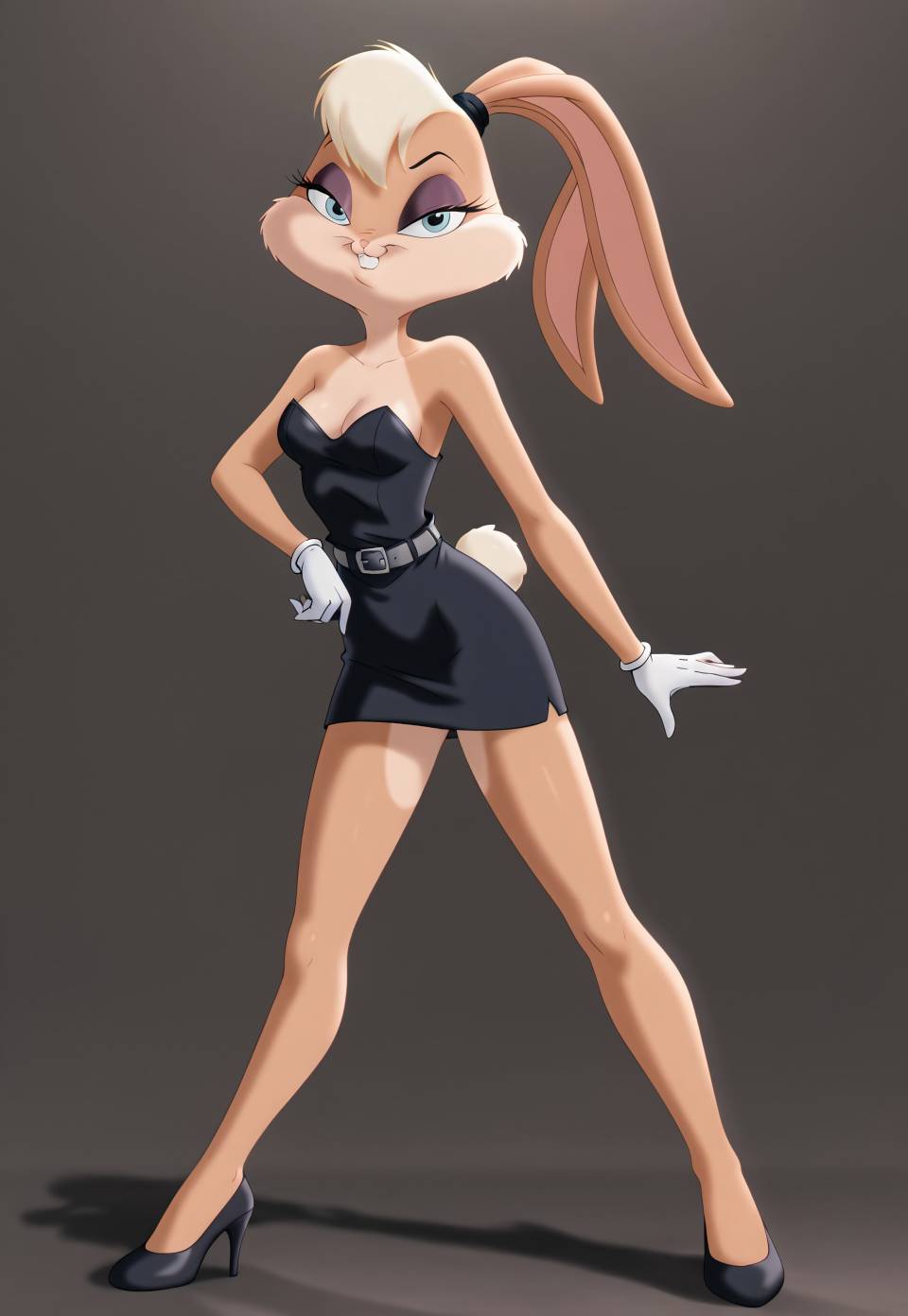
The visual makeover went hand-in-hand with an acoustic overhaul. Warner Bros. bypassed Kath Soucie, who had reprised the role across numerous cartoon series, and cast Zendaya, who had emerged as a marquee Hollywood name after her performances in Spider-Man: Homecoming and Euphoria.
Zendaya altered the rhythm of Lola’s delivery. Instead of the purring, breathy cadences from the 1996 film, her delivery leaned into deadpan authority and comic dryness. When LeBron James discovers Lola in the DC Comics-inspired Themyscira world, she operates as an Amazonian trainee under Wonder Woman. Her voice reflects a seasoned, no-nonsense competitor rather than a novelty character trying to prove she belongs with male peers.
While some animation purists regretted losing Soucie’s vocal range, Zendaya’s presence anchored the studio's branding. It shifted Lola out of the caricature box and aligned the character with a modern, young demographic that values athletic agency over nostalgic pin-up sensibilities.
Alexander Ross has covered the video game industry for a decade, writing deep dives on game design, esports tournaments, VR developments, and gaming culture.
