Fact-Checking the Conversion: How Much Shorter Is a Yard Compared to a Meter?
 By Marcus Vance
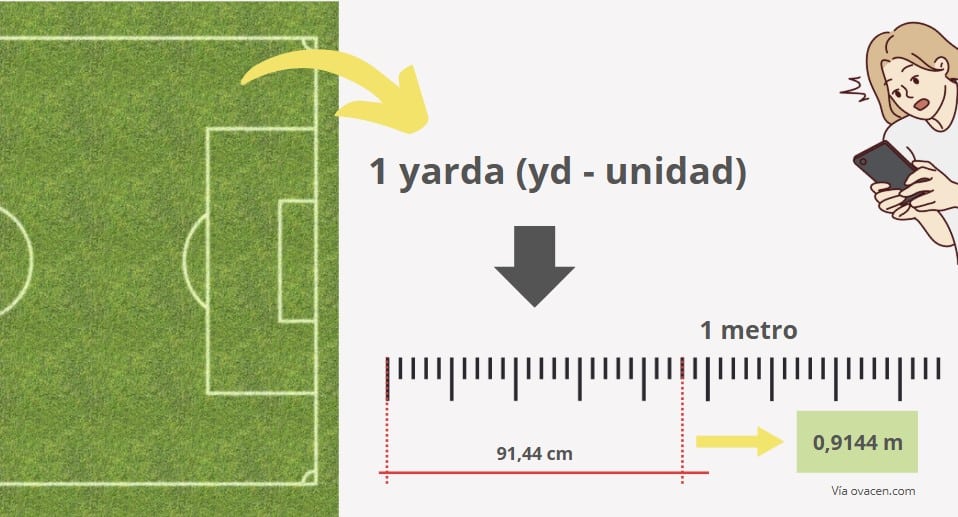
Because the metric system operates strictly on powers of ten and imperial units rely on arbitrary historic divisions (3 feet to a yard, 1,760 yards to a statute mile), users routinely face the practical decision of when to convert precisely and when to estimate roughly.
Casual rounding makes sense in everyday, low-stakes environments:
- Landscape Gardening and Mulch: Ordering bulk soil or pea gravel based on a 1-to-1 visual conversion is generally fine, since ground settling and uneven topography absorb marginal volume swings.
- A standard adult walking pace roughly matches 1 yard or 0.9 meters per step. Estimating trail distances with a 1:1 metric rule works for rough hiking times.
- Buying ribbon or yarn by the meter when an American pattern calls for yards yields a comfortable excess of material rather than a shortage.
Precision is mandatory in technical disciplines:
- Structural Architecture and CNC Machining: Tool tolerances operate in micrometers and thousandths of an inch. A discrepancy of 0.0856 meters (85.6 mm) will compromise building envelopes and ruin custom components.
- Commercial Real Estate and Land Surveying: Property boundaries mapped via deeds must preserve exact legal boundaries. Conflating square yards with square meters miscalculates surface areas by nearly 20% (1 square meter equals roughly 1.196 square yards), directly distorting land appraisal figures.
- Aviation and Fuel Logistics: Flight plans calculate fuel burn down to precise nautical miles, pounds, and kilograms. Rounding linear dimensions leads to incorrect weight-and-balance calculations or fuel-range planning.
Marcus Vance is a cybersecurity auditor and technology writer dedicated to educating the public about online safety, data privacy regulations, enterprise security, and emerging cyber threats.
Tags:
yarda y metro
