Fact-Checking the 8-Ounce Cup: Medical Standards Vs. Modern Serving Sizes
 By David Miller
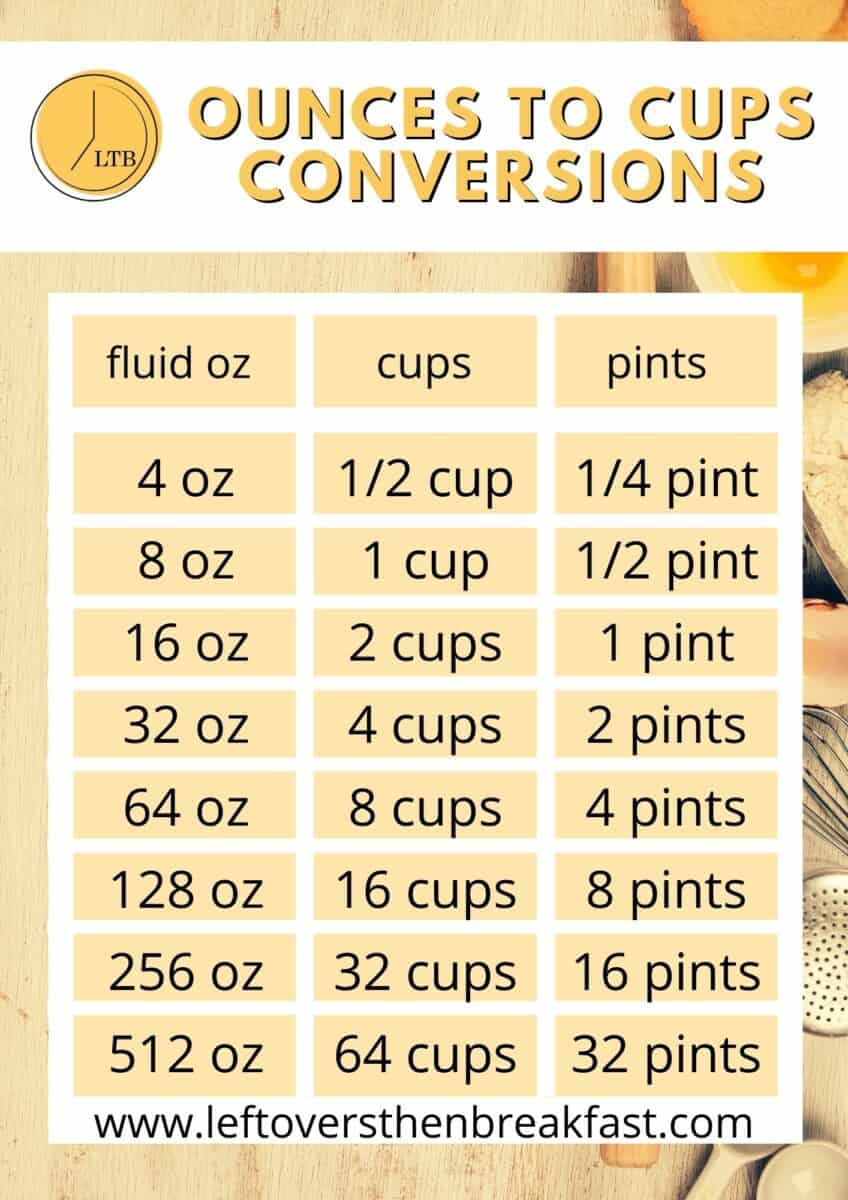
Even when cooks know that an 8-ounce liquid cup requires a volume measure, tool inaccuracies distort the outcome. Nested dry measuring cups are designed to be filled to the rim and swept flat with a knife edge. Liquid measuring cups feature transparent walls, pouring spouts, and headspace above the 1-cup marking to prevent spilling.
Liquid measurements require reading the bottom of the meniscus at direct eye level. Looking down from above skews the reading high, causing cooks to under-measure liquids by 5 to 10 percent. Consumer testing of cheap plastic nested cups frequently reveals manufacturing tolerances off by up to 15 percent across budget brands.
For high-stakes culinary preparations, professional bakeries abandoned volumetric cups decades ago. Weighing water, milk, eggs, and fats in grams on a tared digital scale eliminates every discrepancy between legal, customary, and appliance definitions. A gram of water is unequivocally one milliliter of water.
David Miller brings 15 years of experience in global economics, personal finance strategy, and market dynamics. He specializes in turning complex economic trends into actionable insights for everyday readers.
