Fact-Checking Soursop Bitters: Flat Stomach Detox Miracle or Dangerous Laxative Scam?
 By Chloe Bennett
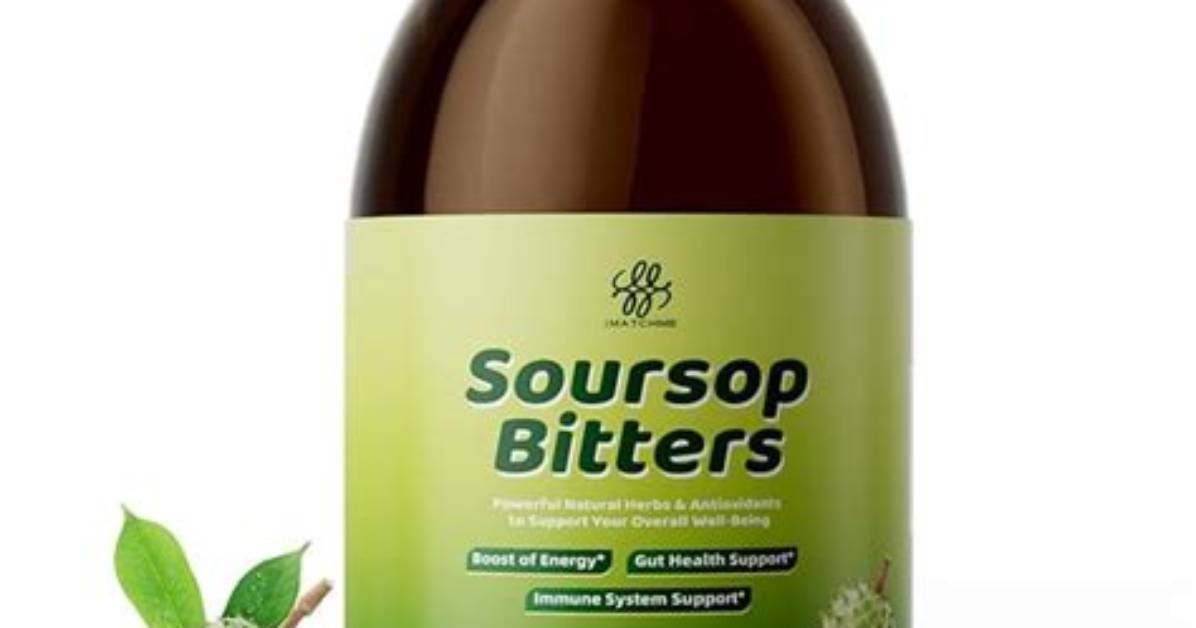
The most significant physiological danger of Annona muricata lies far beyond the digestive tract. Soursop leaves, roots, seeds, and stems produce dense concentrations of annonacin, a naturally occurring acetogenin. Annonacin acts as a potent inhibitor of complex I in the mitochondrial respiratory chain. By blocking cellular energy production in vulnerable tissues, the compound can induce rapid apoptotic cell death in dopaminergic and basal ganglia neurons.
Epidemiological alerts first emerged from the French West Indian island of Guadeloupe, where neurologists discovered an unusually high incidence of atypical Parkinson-like symptoms that did not respond to standard levodopa medication. Researchers tracked the cluster back to the routine consumption of soursop leaf tea and concentrated graviola concoctions. The clinical picture resembles progressive supranuclear palsy: rigidity, postural instability, and cognitive slowing.
Laboratory assays demonstrate that a single cup of boiled soursop leaf tea can contain up to 36 milligrams of annonacin, while commercial liquid bitters that steep stems and leaves to achieve an intense, dark flavor profile concentrate these neurotoxic phytochemicals to unpredictable levels. The brain cannot efficiently regenerate damaged basal ganglia structures; neurotoxicity accumulates silently over months and years of habitual intake.
Chloe Bennett explores the intersection of pop culture, streaming entertainment, digital trends, and contemporary lifestyle. Her weekly commentary reaches thousands of culture enthusiasts.
