Fact-Checking Presumption vs Assumption: How Newsrooms Blur Evidence and Bias
 By Chloe Bennett
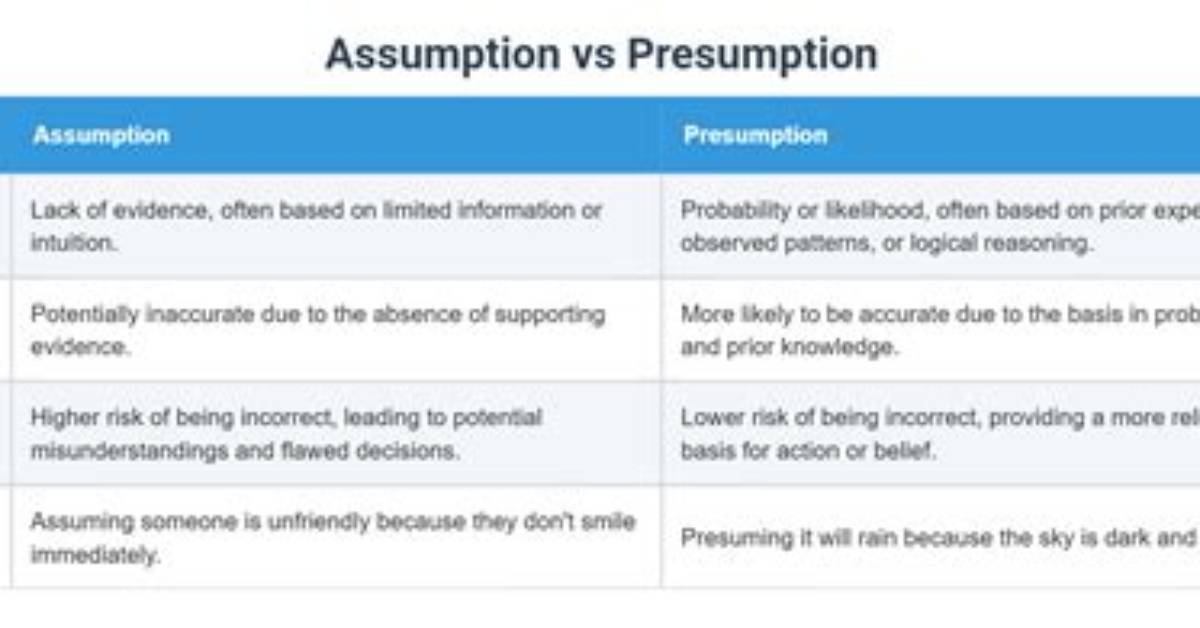
The speed of modern media distribution encourages reporters to trade verified baseline facts for quick assumptions. A fast-moving cycle creates relentless demand for instant analysis. When confirmation bias intersects with tight deadlines, journalists lean on assumptions about how certain political factions, corporate leaders, or foreign actors behave. They substitute perceived historical patterns for present documentation.
This dynamic fuels cognitive bias in journalism. If an unverified assertion fits a newsroom's existing narrative, staff often treat it as a factual premise rather than speculation. They write stories framed around unsubstantiated claims, using conditional grammar to protect against libel actions while leaving readers with an impression of confirmed guilt. The public consumes these pieces not as speculation, but as solid accounts backed by journalistic objectivity.
This dynamic extends beyond politics. Faith communities face similar friction. An August 2025 reflection in the Detroit Catholic, titled "Faith Over Fear, Humility Over Assumption," urged believers to abandon hasty interpersonal assumptions in favor of intellectual humility and patient discernment. Secular newsrooms face that exact ethical demand. Without rigorous editorial standards, speculation quietly hardens into unverified consensus.
Chloe Bennett explores the intersection of pop culture, streaming entertainment, digital trends, and contemporary lifestyle. Her weekly commentary reaches thousands of culture enthusiasts.
