Fact-Checking Prayer App Privacy: Can Independent Student Coders Actually Defeat Data Brokers?
 By Robert Thorne
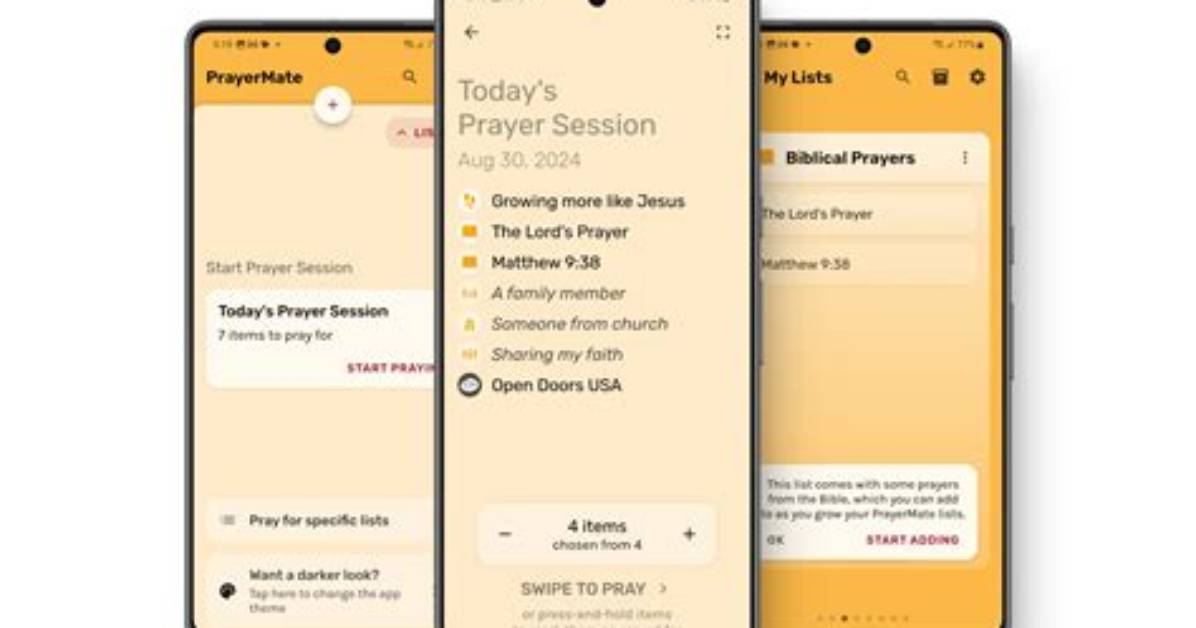
Apple and Google frequently market their walled gardens as secure havens governed by strict privacy nutrition labels and runtime permission prompts. Yet platform policies have repeatedly proven reactive rather than preventative.
App store data policies historically focused on explicit consent prompts, operating under the flawed assumption that users read fifty-page legal disclosures before granting permission to check the weather or view a compass direction. Regulators in both the European Union and the United States discovered that brokers actively weaponized dark design patterns to nudge compliance. SDK vendors regularly updated their payloads dynamically from remote servers after passing standard app review checks.
The burden of consumer data ethics was offloaded onto individual consumers who lacked network packet analyzers to see where their data traveled. For sensitive communities, the consequences of this platform oversight were acute: tracking religious, labor, or healthcare habits creates real-world security vulnerabilities. Independent coders proved that the problem was not missing user warnings, but toxic monetization incentives that app stores permitted for more than a decade.
Robert Thorne covers electric vehicle innovations, autonomous driving systems, global mobility trends, and automotive engineering developments.
