Fact-Checking Personality Vs. Attitude: Debunking Viral Quizzes, Blood Types, and Common Myths
 By Marcus Vance
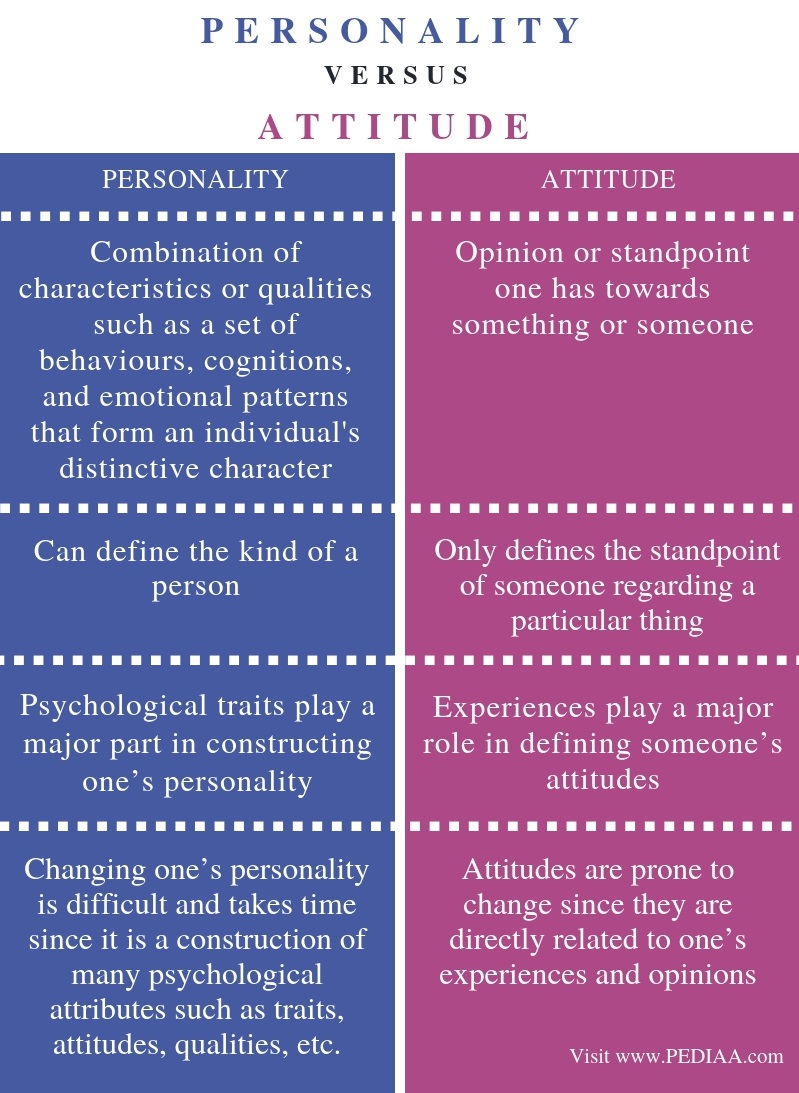
The confusion between attitude and personality carries substantial financial consequences in corporate environments. Companies worldwide spend hundreds of millions annually on pre-employment screening assessments. Many of these commercial assessments lack psychometric validity, functioning like high-tech corporate horoscopes.
Human resources departments frequently reject candidates labeled "resistant to authority" during personality screenings. What those tests often measure, however, is a temporary attitude sparked by poorly worded test prompts or a candidate's negative experience at a prior, highly micromanaged firm. When an organization rejects someone based on a presumed character defect, they sacrifice high-performing talent.
Personality determines what environments allow an employee to thrive without chronic burnout. An extreme introvert placed in high-pressure open-plan cold calling will struggle with emotional exhaustion. Attitude, by contrast, determines whether that same employee chooses to master their task or disengage completely. Managers cannot easily change a worker's baseline trait extraversion. They can, however, radically alter an employee's attitude by establishing psychological safety, fair compensation, and transparent goals.
Marcus Vance is a cybersecurity auditor and technology writer dedicated to educating the public about online safety, data privacy regulations, enterprise security, and emerging cyber threats.
