Fact-Checking Korean Pronouns: When Is 'Dangsin' Actually Acceptable?
 By David Miller
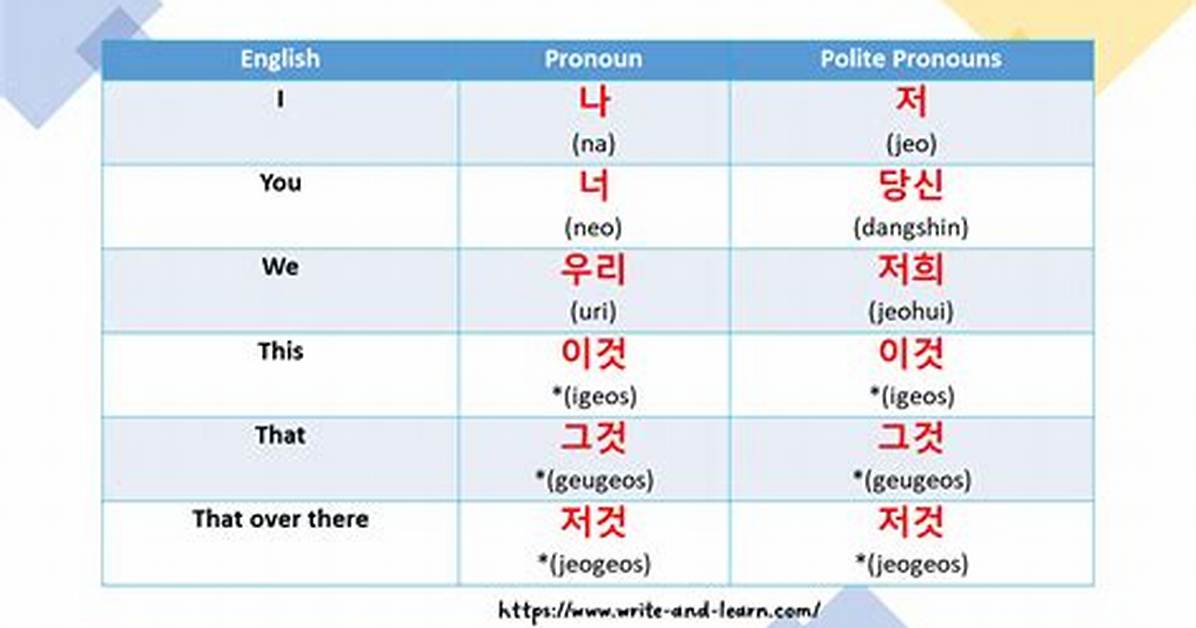
The cleanest way to handle the second-person singular pronoun in Korean is simple: delete it. Korean syntax allows speakers to drop sentence subjects entirely once mutual physical context exists.
Consider an ordinary English question: "Did you eat lunch?" An inexperienced speaker instinctively tries to translate every token: "Dangsin-eun jeomsim meogeosseoyo?" A native speaker drops the pronoun and asks simply: "Jeomsim meogeosseoyo?" (점심 먹었어요?). Because two people are standing in the same room making eye contact, stating the target of the inquiry is grammatically unnecessary.
When ambiguity arises, Korean replaces personal pronouns with occupational titles, organizational roles, or kinship designations. If you are speaking with an office manager named Kim Min-jun, you do not say "Where do you want to go?" You ask: "Where does Manager Kim want to go?" (Kim Gwajang-nim, eodi gaseyo?). In business meetings, job titles as pronouns protect both parties from overstepping hierarchical boundaries.
For public encounters with strangers, specific honorific defaults step in:
- Literally translating to "teacher," this functions as the gold-standard neutral honorific for unfamiliar adults, doctors, valued customers, and older patrons.
- Gisa-nim (기사님): The universal polite address for taxi drivers, bus drivers, and delivery technicians.
- Sajang-nim (사장님): Meaning "business owner" or "president," this term addresses market vendors, small shopkeepers, and independent contractors.
Korean kinship titles also stand in for pronouns across informal social circles. Calling an older female friend eonni (used by women) or nuna (used by men), or an older male friend oppa or hyeong, provides the exact syntactic function of "you" while reaffirming an affectionate social bond.
David Miller brings 15 years of experience in global economics, personal finance strategy, and market dynamics. He specializes in turning complex economic trends into actionable insights for everyday readers.
