Fact-Checking Korean Pronouns: When Is 'Dangsin' Actually Acceptable?
 By David Miller
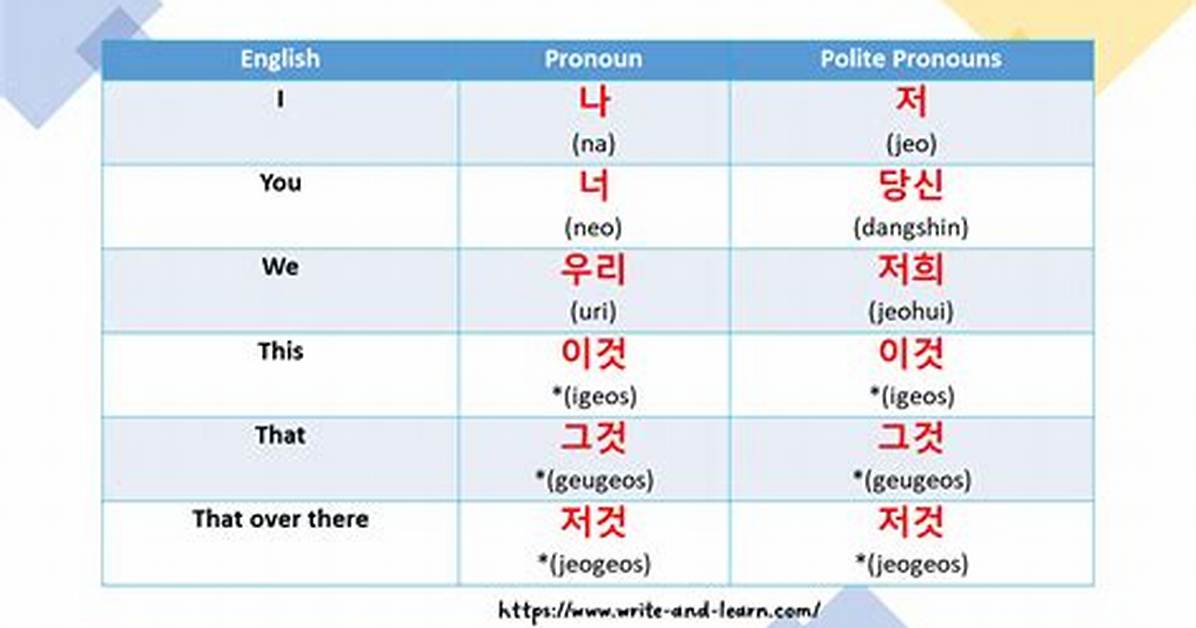
English demands a subject. A sentence without a clear "you," "I," or "they" collapses into an imperative command or a grammatical fragment. Korean functions in reverse. The language relies heavily on context, shared spatial awareness, and syntactic markers that make explicit pronouns redundant.
When translation algorithms encounter English dialogue, they search for a direct substitute to fill the second-person slot. For decades, foreign-language textbooks handed students dangsin as the default honorific counterweight to neo (너). This created an entire generation of language learners who assume Korean mirrors Romance or Germanic pronoun systems.
The reality on the ground is starkly hierarchical. Korean grammar organizes itself through complex Korean politeness levels and interpersonal status differentials. A single utterance must simultaneously calculate age differences, professional seniority, relational intimacy, and social setting. Forcing a standalone pronoun like dangsin into this environment ignores the foundational mechanics of jondaetmal (polite, honorific speech) and disrupts the subtle equilibrium required between conversational partners.
David Miller brings 15 years of experience in global economics, personal finance strategy, and market dynamics. He specializes in turning complex economic trends into actionable insights for everyday readers.
