Fact-Checking 'Gordito': Cultural Nuances, Spanish Diminutives, and Lost Translations
 By David Miller
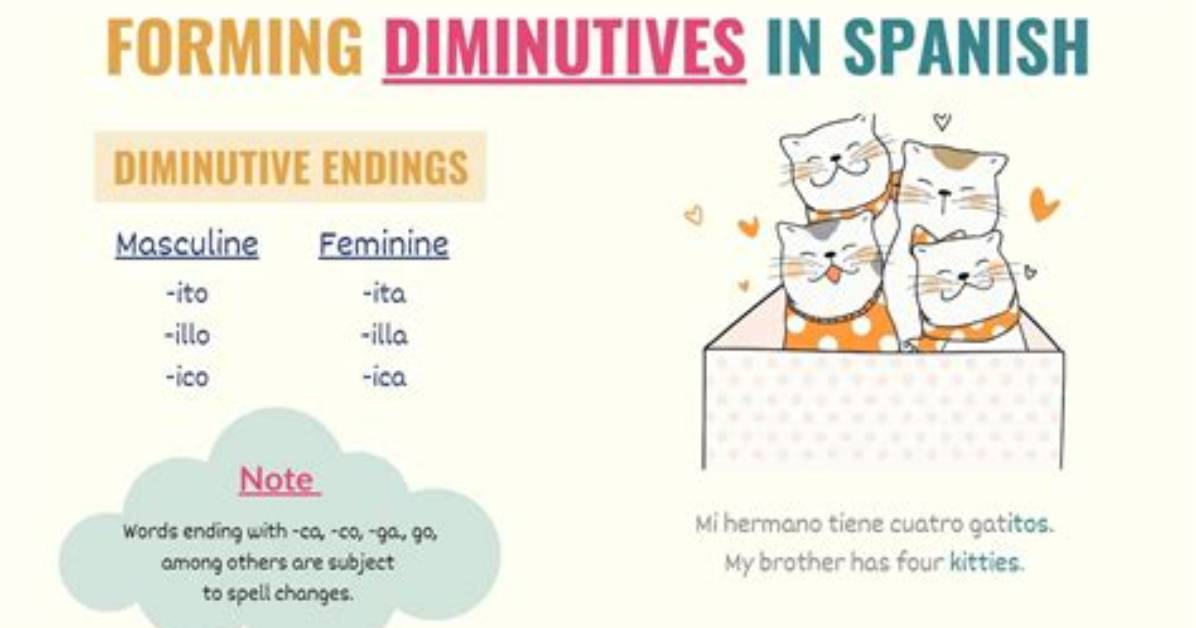
Generational friction is accelerating as bilingual Hispanic youth navigate English-dominated environments. A 20-something heritage speaker raised in Los Angeles or Miami might welcome gordito from their grandmother while rejecting it from an American partner on an app.
Online translation engines flatten these distinctions. When bilingual couples text in Spanish, translation tools convert ¿Cómo estás, mi gordito? into How are you, my little fat boy? The digital result transforms domestic warmth into a perceived grievance. The loss of nuance fuels miscommunication in cross-cultural partnerships, where one partner values cultural tradition and the other hears body scrutiny.
Linguistic boundaries are shifting among younger demographics in Mexico City, Madrid, and Bogotá. Increasing awareness of global mental health discussions has led some young Latin Americans to phase out body-focused monikers in favor of neutral terms like amor, vida, or cielo. The tradition remains common among millions of households, but its automatic social acceptance is no longer universal.
David Miller brings 15 years of experience in global economics, personal finance strategy, and market dynamics. He specializes in turning complex economic trends into actionable insights for everyday readers.
