Fact-Checking Death Note: Could Light's Mini Tv Potato Chip Scheme Actually Work?
 By Robert Thorne
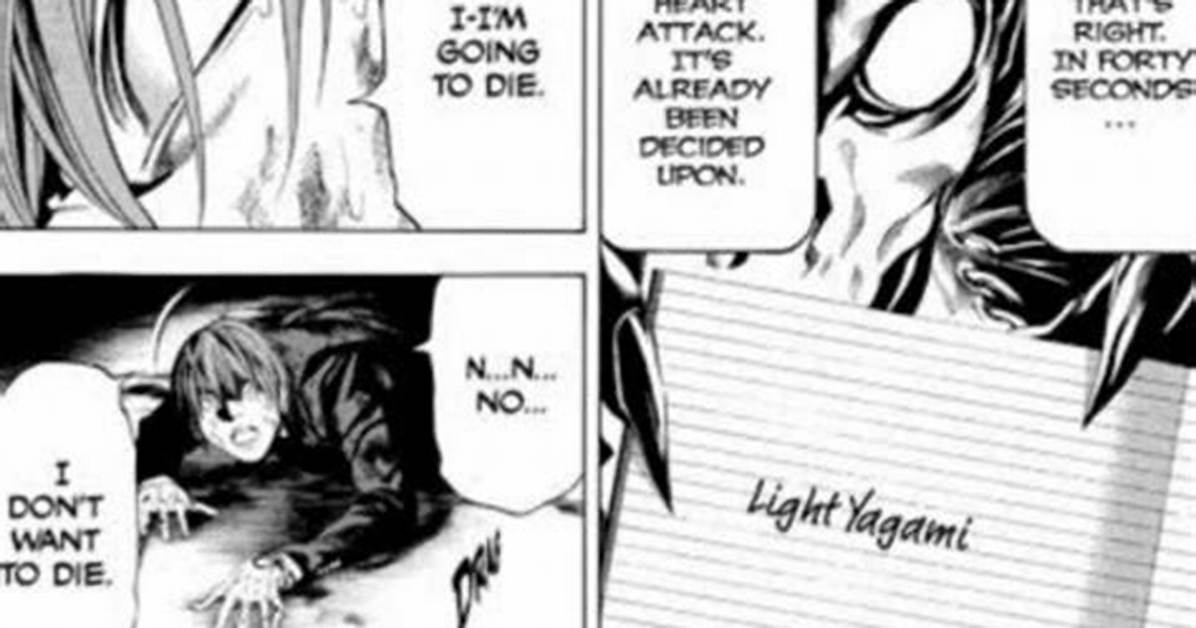
The fatal technical flaw in Light's setup lies in basic electromagnetic physics. The miniature device Light slips into the bag is an analog pocket LCD television, most likely inspired by the Casio EV-570 or Citizen pocket LCDs ubiquitous in mid-2000s Tokyo. These sets relied on internal rod antennas or earphone wires acting as aerials to pull standard VHF and UHF terrestrial signals.
Commercial snack packaging is made from biaxially oriented polypropylene (BOPP) coated with a microscopic layer of vacuum-deposited aluminum. This metallic barrier seals freshness and blocks vapor, but it also forms a resonant radio-frequency shield known as a Faraday cage.
When an RF signal strikes the aluminum-laminated interior of an open chip bag, electromagnetic radiation induces currents across the conductive surface, reflecting and scattering the signal away from the cavity. Laboratory testing shows standard aluminized mylar bags attenuate RF signals by anywhere from 20 dB to over 40 dB depending on bag depth and orientation. An analog television tucked inside a metallic sack, surrounded by moist, salt-laden potato crisps, would suffer immediate signal degradation. Instead of crystal-clear live breaking news broadcasts showing a hostage situation, Light would stare at unreadable static snow.
Robert Thorne covers electric vehicle innovations, autonomous driving systems, global mobility trends, and automotive engineering developments.
