Fact-Checking 'Brown N Proud': Historical Roots Vs. Social Media Myth
 By Chloe Bennett
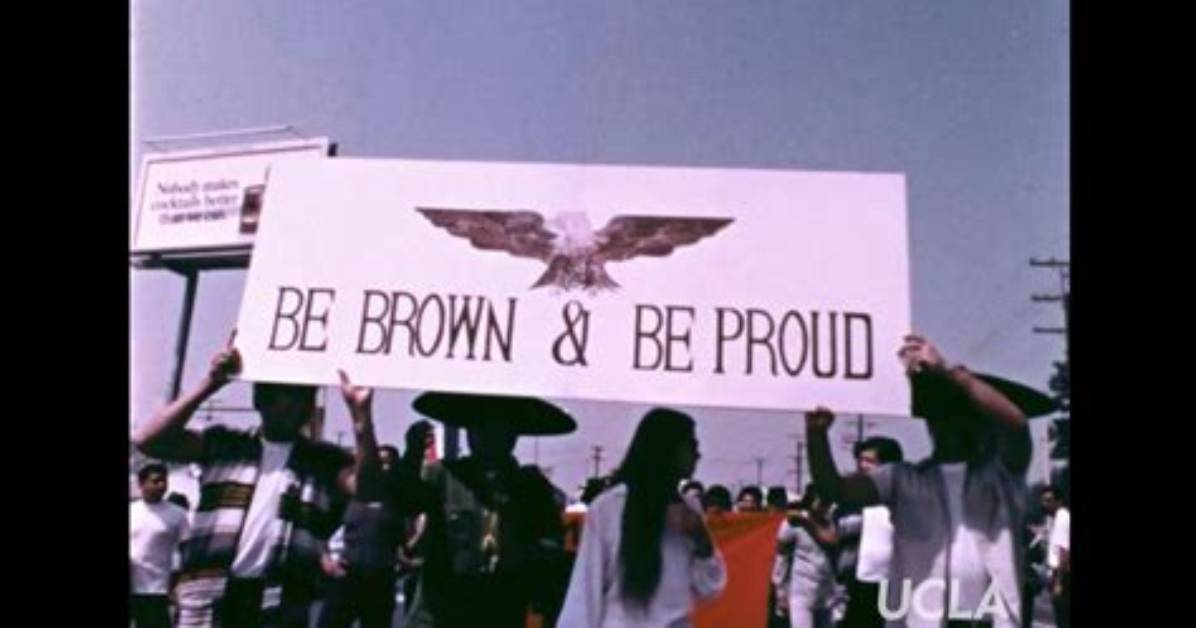
By the 1990s, the phrase found a second life through music and cultural production. British-Asian music collectives like the Asian Dub Foundation and Bally Sagoo fused bhangra, reggae, and punk, weaving historical anti-racist speeches into club tracks. Across Southern California, Chicano hip-hop crews and car clubs wore the phrase on custom apparel, transforming political defiance into an enduring aesthetic subculture.
In the 2020s, diaspora culture entered a hyper-connected phase. South Asian identity movements online began explicitly connecting with Latinx empowerment efforts, exchanging notes on generational immigrant trauma, workplace discrimination, and systemic underrepresentation in media.
This cross-pollination produced genuine unity. Filipino-American, Mexican-American, and South Asian activists found shared vocabulary in college campus coalitions and civic advocacy groups. At local city council hearings on immigrant sanctuary policies and workplace wage protections, the slogan still functions as a shared banner.
Yet community debates continue over how the term is deployed. On forums like Reddit's r/ABCDesis and various Chicano community boards, users frequently debate whether viral adaptations dilute real struggles. When a fast-fashion brand or a corporate marketing department prints "Brown and Proud" on merchandise without donating to local defense funds or labor unions, the term risks becoming a toothless commodity.
Chloe Bennett explores the intersection of pop culture, streaming entertainment, digital trends, and contemporary lifestyle. Her weekly commentary reaches thousands of culture enthusiasts.
