Fact-Checking Argentina's Racial Myths: Did Black Argentines Disappear or Were They Erased?
 By Maya Lin-Takahashi
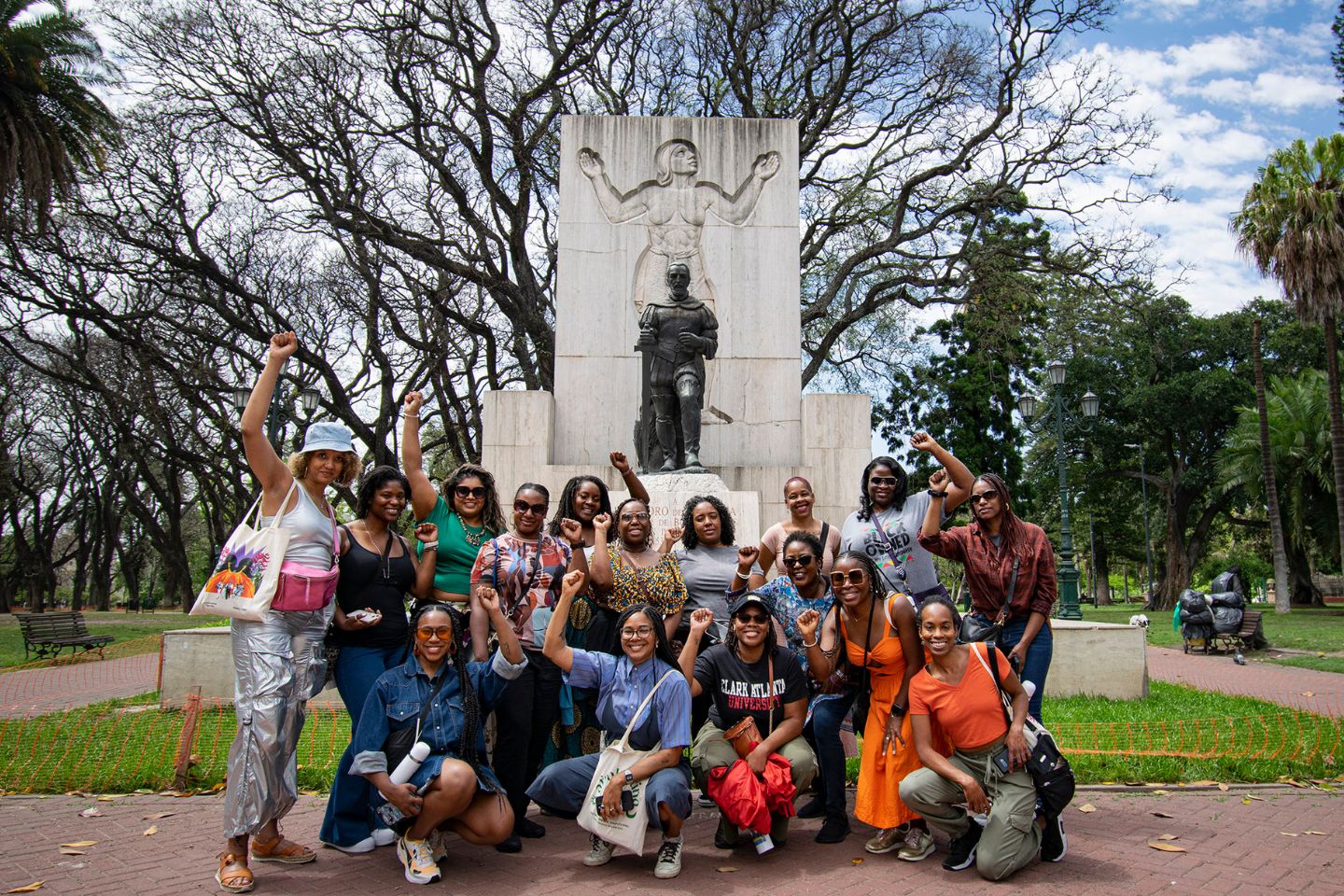
Between the late sixteenth and early nineteenth centuries, the port of Buenos Aires and the interior hub of Córdoba operated as key terminals for the transatlantic slave trade in South America. Enslaved Africans arrived via direct Portuguese contraband or through transfers from Montevideo and Brazil. They cleared fields, built fortifications, staffed artisan workshops, and ran the domestic infrastructure of colonial life.
By the late eighteenth century, the demographic presence of African descendants was unmistakable. The 1778 colonial census ordered by Viceroy Juan José de Vértiz recorded that people of African descent comprised over 30% of Buenos Aires, 44% of Córdoba, and upwards of 54% of Santiago del Estero. Urban neighborhoods like Montserrat and San Telmo were known colloquially as the Barrio del Tambor because the rhythmic drumming of Black mutual-aid societies (naciones) echoed through the streets every weekend.
These communities preserved regional African languages, established cooperative banks to purchase manumissions, and produced military regiments that fought off British invasions in 1806 and 1807. Freedom was rarely granted voluntarily; it was purchased through coin or extracted via military conscription during the wars of independence against Spain.
Maya is a hardware enthusiast who tests and reviews smart home devices, smartphones, wearables, and audio gear. She focuses on practical consumer value and build quality.
