Fact Check: the Truth Behind Social Media Zombie Outbreak Panic and Biology Research
 By Chloe Bennett
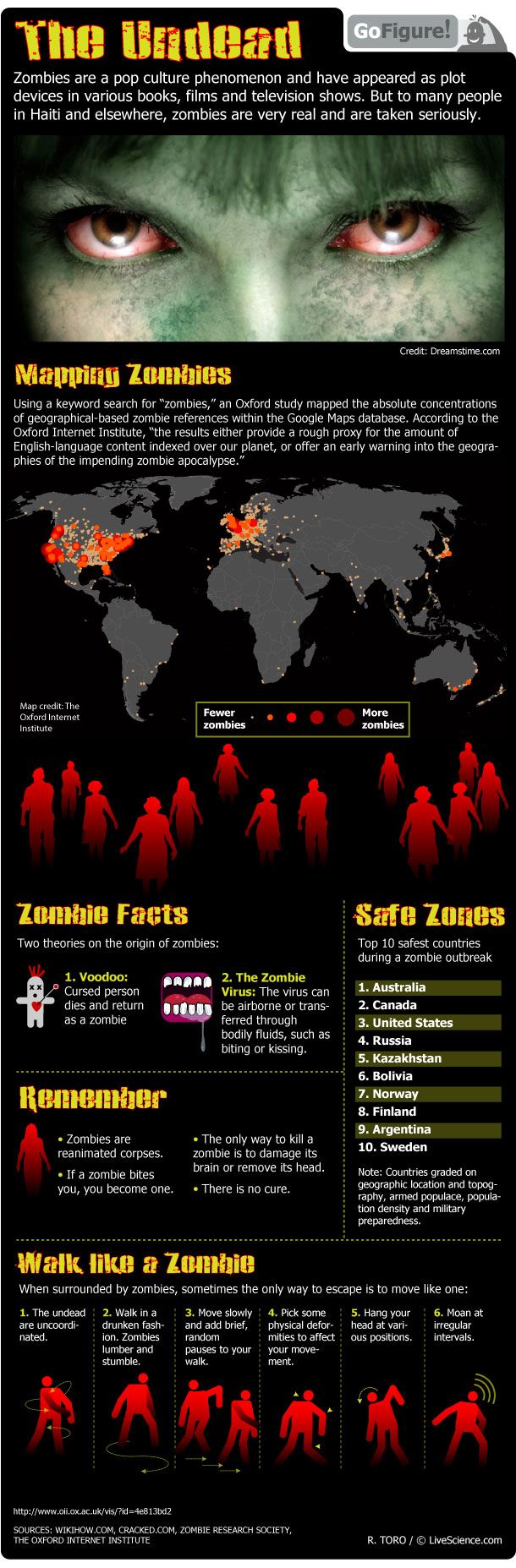
The archetype of the zombie entered global consciousness not through laboratory research, but through Haitian folklore voodoo, carrying roots intertwined with the brutal history of Atlantic slavery. In colonial Saint-Domingue, enslaved laborers believed that death allowed their souls to return to Lanmò (Africa). Suicide, however, condemned the spirit to wander the plantations indefinitely as an enslaved ghost, a pawn without will.
Following the Haitian Revolution, this mythic structure evolved into a community folklore mechanism. Anthropological research led by Wade Davis in the 1980s suggested that secret societies utilized biological compounds to enforce social norms. While Davis's specific pharmacological claims sparked intense academic debate, his field research highlighted how practitioners (known as bokors) used natural neurotoxins to create the appearance of death.
The key chemical agent identified was tetrodotoxin, an extraordinarily potent neurotoxin harvested from pufferfish. In precise sublethal doses, tetrodotoxin paralyzes voluntary muscles, slows metabolic function, and reduces respiration to levels nearly imperceptible without modern medical monitoring. Victims, mistakenly declared dead, were buried and subsequently exhumed. Coupled with severe hypoxia-induced brain damage, trauma, and secondary dosing with anticholinergic plants like Datura stramonium ("zombie cucumber"), individuals were rendered docile and compliant. The historical zombie was an exploited, poisoned victim of chemical paralysis, not a magically reanimated corpse.
Chloe Bennett explores the intersection of pop culture, streaming entertainment, digital trends, and contemporary lifestyle. Her weekly commentary reaches thousands of culture enthusiasts.
