Fact Check: Is the Monkey Covering Eyes Emoji with 'Thanks' Flirting, Politeness, or an Inside Joke?
 By Sarah Jenkins
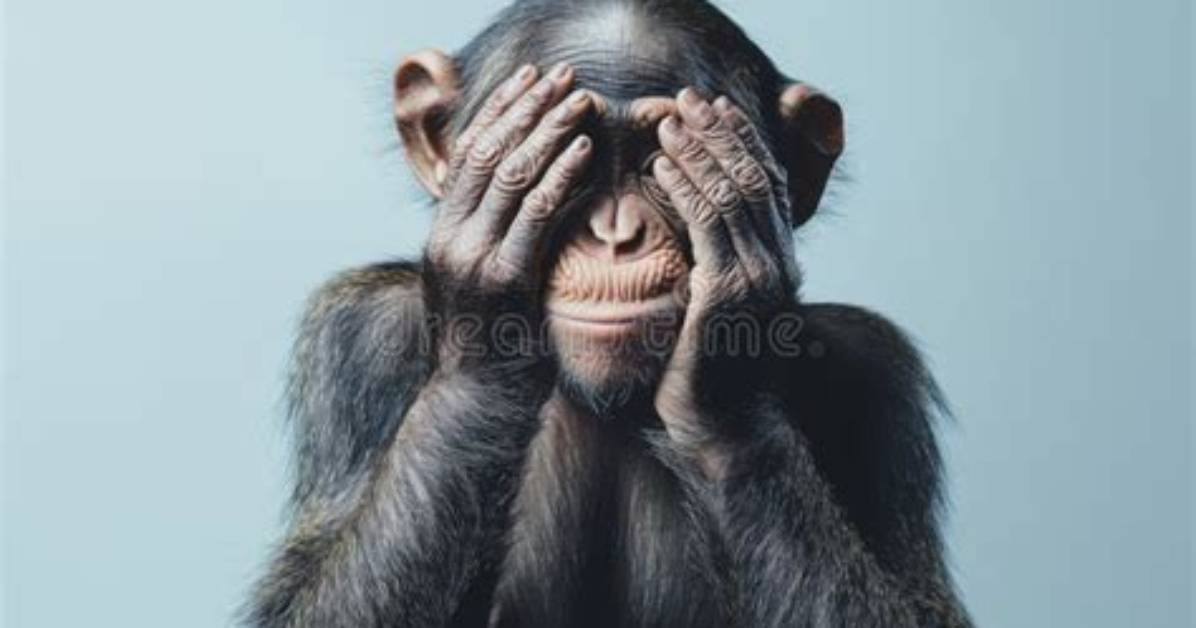
Before it became the internet's favorite compliment response emoji, the monkey possessed a strict ethical mandate. Carved in the early 1600s above the door of the Tōshō-gū shrine in Nikkō, Japan, the trio of *san-zaru*, Mizaru, Kikazaru, and Iwazaru, embodied the Tendai Buddhist principle of turning away from immoral sights, sounds, and speech. Mizaru, whose name is a phonetic play on the Japanese verb "to see" (*miru*) combined with the archaic negative suffix (*zaru*), was never meant to signal blushing embarrassment. He was practicing active moral restraint.
The radical shift occurred when Japan’s mobile carriers, led by NTT DOCOMO and SoftBank, digitized the motif in the late 1990s. When Apple introduced an international emoji keyboard with iOS 5 in 2011, followed by broad Android deployment, global users encountered Mizaru completely stripped of religious context. Stripped of ethical baggage, English-speaking texters reinterpreted the visual posture through physical human body language. Covering one's eyes with both hands rarely suggests an aversion to wickedness in modern life; it mirrors the instinctual peek-a-boo gesture of a child hiding from intense scrutiny.
Sarah Jenkins is a veteran tech journalist with over 12 years of experience covering artificial intelligence, mobile innovations, and digital ethics. Her insights have appeared in leading technology publications worldwide.
