Fact Check: Is Free Airport Wi-Fi Actually Too Dangerous to Use Now?
 By David Miller
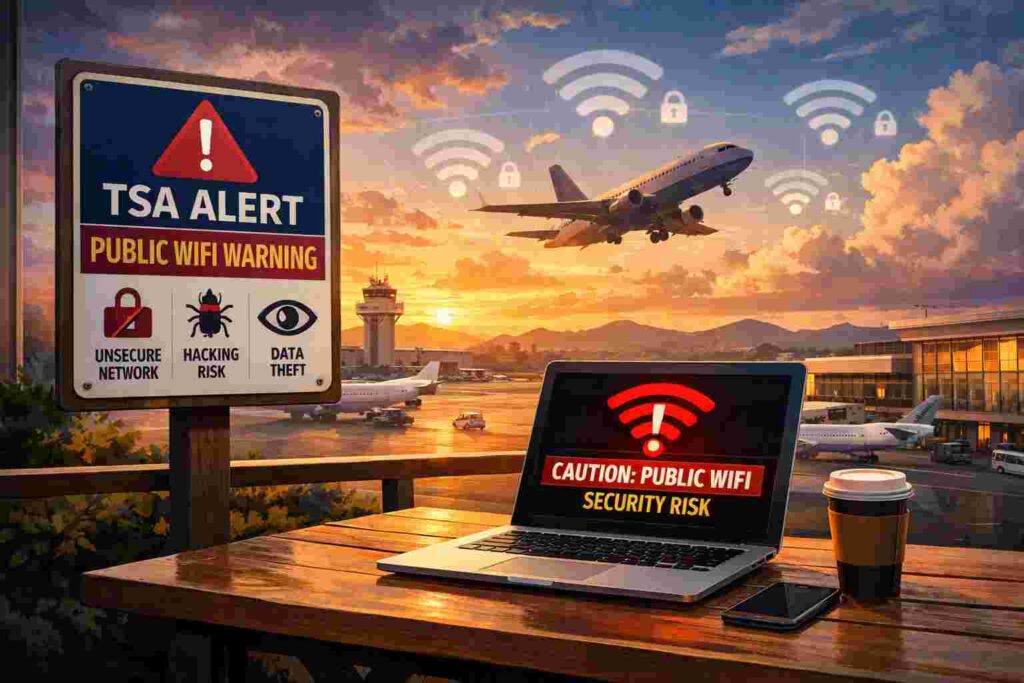
The TSA warning often implies that joining a free terminal network allows nearby hackers to effortlessly view private passwords, bank accounts, and private emails. Ten to fifteen years ago, that warning was dead accurate. In the era of unencrypted HTTP traffic, open networks allowed anyone running basic packet sniffing software on a cheap laptop to intercept plaintext credentials from nearby laptops. Early exploitation tools like Firesheep proved that session hijacking on coffee shop networks was trivial.
The foundational architecture of the web has since shifted. Today, over 95% of global web traffic runs through secure HTTPS secured by Transport Layer Security (TLS 1.3). When you connect to an open network and navigate to an encrypted website, your device establishes a secure cryptographic tunnel directly with the host server. A malicious actor eavesdropping on that shared channel sees only encrypted alphanumeric gibberish. They can observe the domain you connect to through Server Name Indication (SNI) records, but they cannot read your credit card numbers, capture your passwords, or intercept your encrypted messaging sessions.
For standard web browsing, bank apps, and enterprise software with strict certificate validation, unencrypted local networks no longer represent an instant security failure. Modern operating systems also enforce DNS encryption and block mixed-content downloads automatically. The fear that simply tapping "Connect" hands your identity to a teenager sitting three rows away in terminal B misrepresents modern mobile security.
David Miller brings 15 years of experience in global economics, personal finance strategy, and market dynamics. He specializes in turning complex economic trends into actionable insights for everyday readers.
