Fact Check: Does Area Code 423 Change Your Phone Number or Raise Calling Rates?
 By Sophia Al-Mansoor
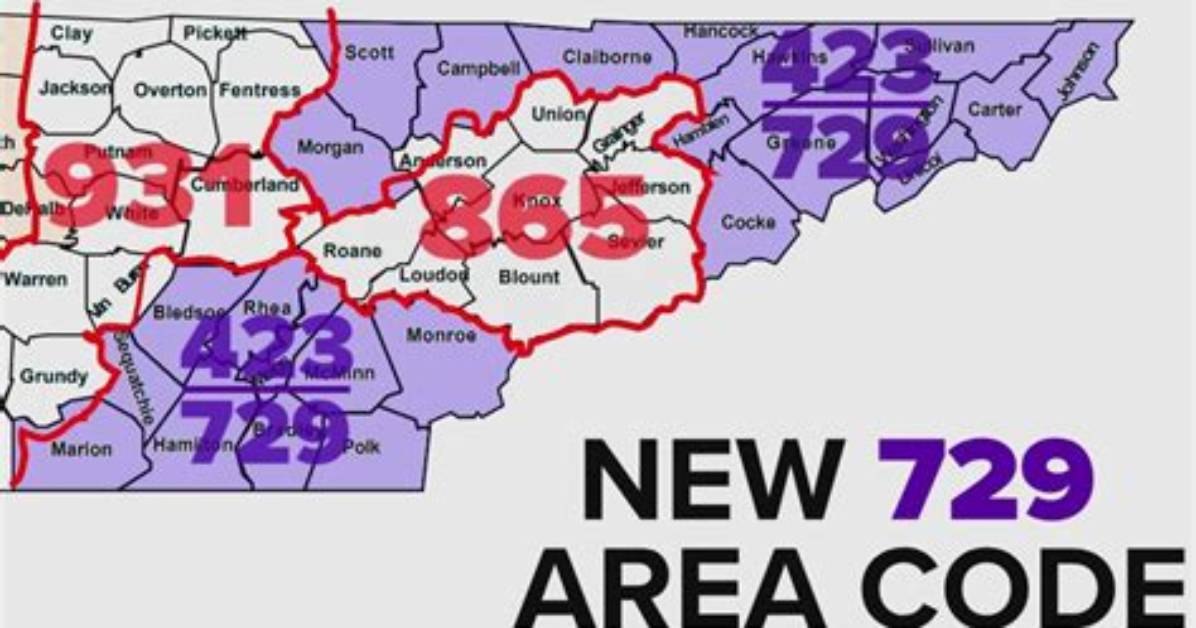
Q1: Do I need to dial "1" before the 423 area code for local calls?
A1: On mobile phones, you simply dial the 10-digit number (Area Code + Local Number). On traditional landline phones, carrier configurations differ slightly: some legacy landline switches require dialing 1 + 423 + Seven Digits, while modern fiber-optic telephone systems accept the direct 10-digit sequence. Check with your landline carrier, but rest assured that dialing a leading 1 does not add long-distance fees to a designated local call.
Q2: Will my existing 423 phone number ever be replaced by the new overlay code?
A2: No. Regulators design area code overlays specifically to prevent forced number migration. Your current phone number will remain yours as long as you maintain the account. Only new lines, added cellular activations, and new utility connections will receive the assigned overlay code once 423 inventory runs dry.
Q3: How does the dialing rule change affect three-digit emergency services like 911 and 988?
A3: Three-digit emergency networks remain completely unaffected. You do not dial an area code for 911, the 988 Suicide & Crisis Lifeline, 211 community services, or 811 utility dig notifications. Switch-level routing recognizes these three-digit sequences instantly and routes them without requiring an area code prefix.
Sophia analyzes international trade, startup ecosystems, retail transformation, and supply chain logistics for modern digital publications.
