Fact-Check: Disentangling King Mwanga Ii's History from Idi Amin's Family Claims
 By Alexander Ross
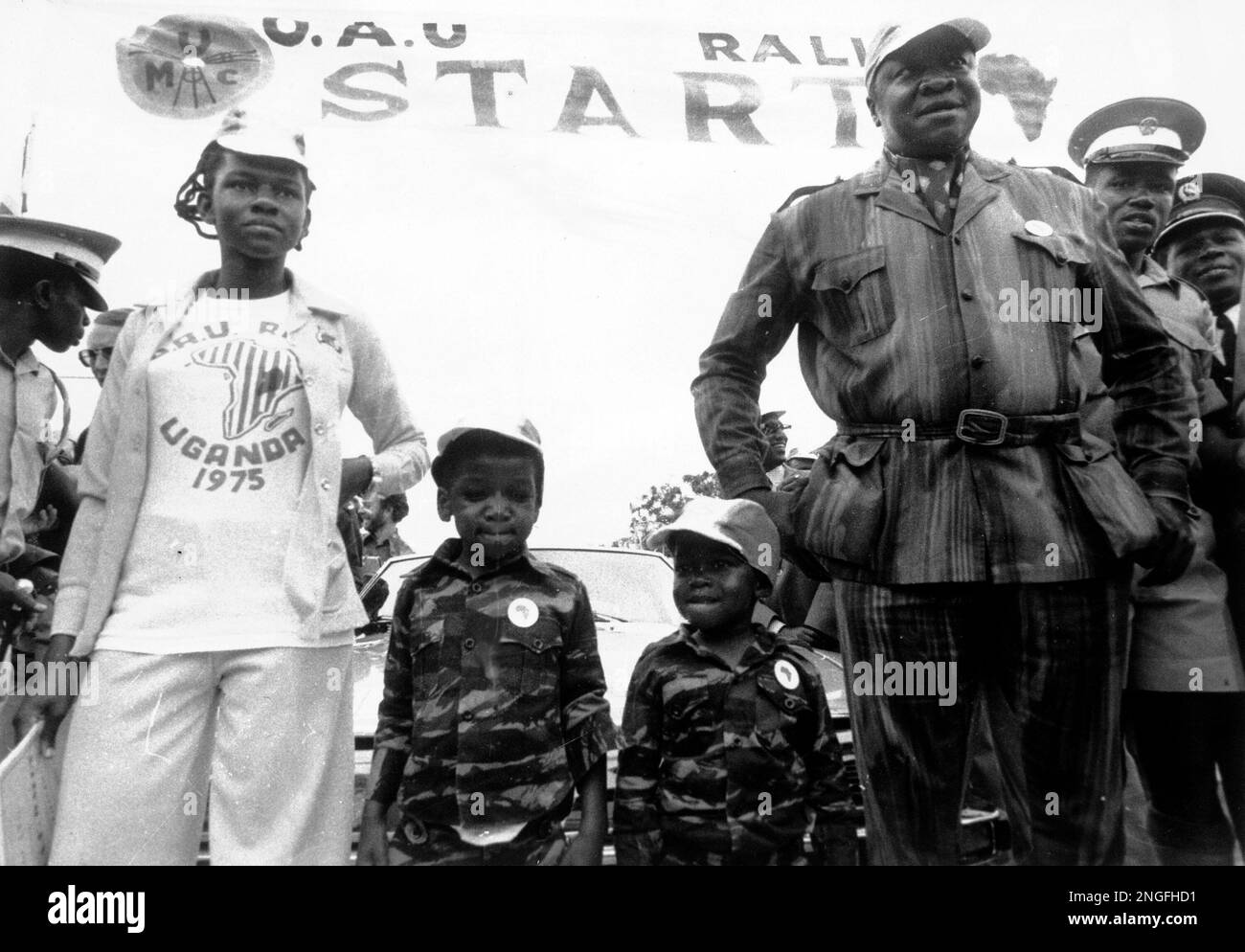
In modern political discussions, historical lineage is often deployed to explain the actions of autocratic leaders or to legitimize contemporary descendants seeking public standing. Amin's extended family remains scattered across the globe, spanning Saudi Arabia, the United Kingdom, Canada, and Uganda. As Amin’s surviving sons, including Taban Amin and Mwanga Amin, re-entered Ugandan civic life, social media accounts began remixing their names into inaccurate genealogical stories.
Historical revisionism often relies on blending actual historic figures into a single sensational narrative. By linking Amin to Mwanga II, viral posts combine Mwanga's complex resistance against British imperialism with Amin's anti-Western rhetoric during the 1970s. The comparison paints both men as unyielding adversaries of British hegemony, flattening their historical realities into an easily consumable myth of rebellious African leadership.
This narrative skips over critical facts. Mwanga II operated as an indigenous sovereign king caught in early colonial partition treaties, while Amin operated as a product of the late colonial military apparatus who established a repressive military dictatorship. Merging their families distorts the unique history of Buganda's monarchy and obscures the systemic abuses that occurred during Amin's regime.
Alexander Ross has covered the video game industry for a decade, writing deep dives on game design, esports tournaments, VR developments, and gaming culture.
