Fact-Check: Did Fran Lebowitz Ever Appear in Paris Is Burning or Ballroom Ballrooms?
 By Maya Lin-Takahashi
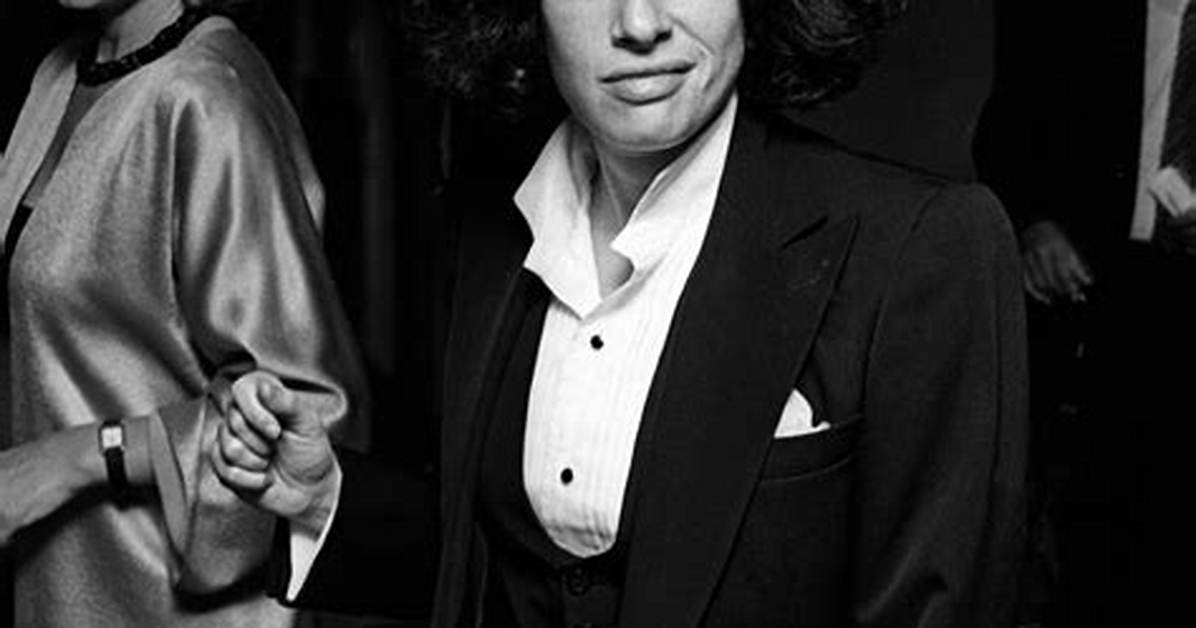
How did an author who made her name writing satirical essays for Mademoiselle and Interview get tied to a film about underground ball competitions? The confusion stems from streaming recommendations and archival video compilations. On platforms like TikTok, YouTube, and Instagram, vintage 1980s New York footage is often spliced together without contextual labels. A clip of Lebowitz talking about taxi fares or SoHo lofts frequently shares a feed with Dorian Corey applying makeup in an unheated apartment.
Viewers who did not live through the period often assume that everyone who was queer, artistic, and based in Manhattan belonged to the same creative circle. That assumption is historical revisionism. The downtown Manhattan art scene of writers, visual artists, and gallery owners was largely white, comparatively well-funded, and centralized below 14th Street. Harlem ballroom culture, by contrast, emerged as an insulated survival mechanism created by Black and Latino trans women, drag queens, and gay youth who were largely excluded from mainstream downtown queer institutions.
Maya is a hardware enthusiast who tests and reviews smart home devices, smartphones, wearables, and audio gear. She focuses on practical consumer value and build quality.
