Fact Check: Did a Real Willy Wonka Chocolate Factory Ever Actually Exist?
 By Chloe Bennett
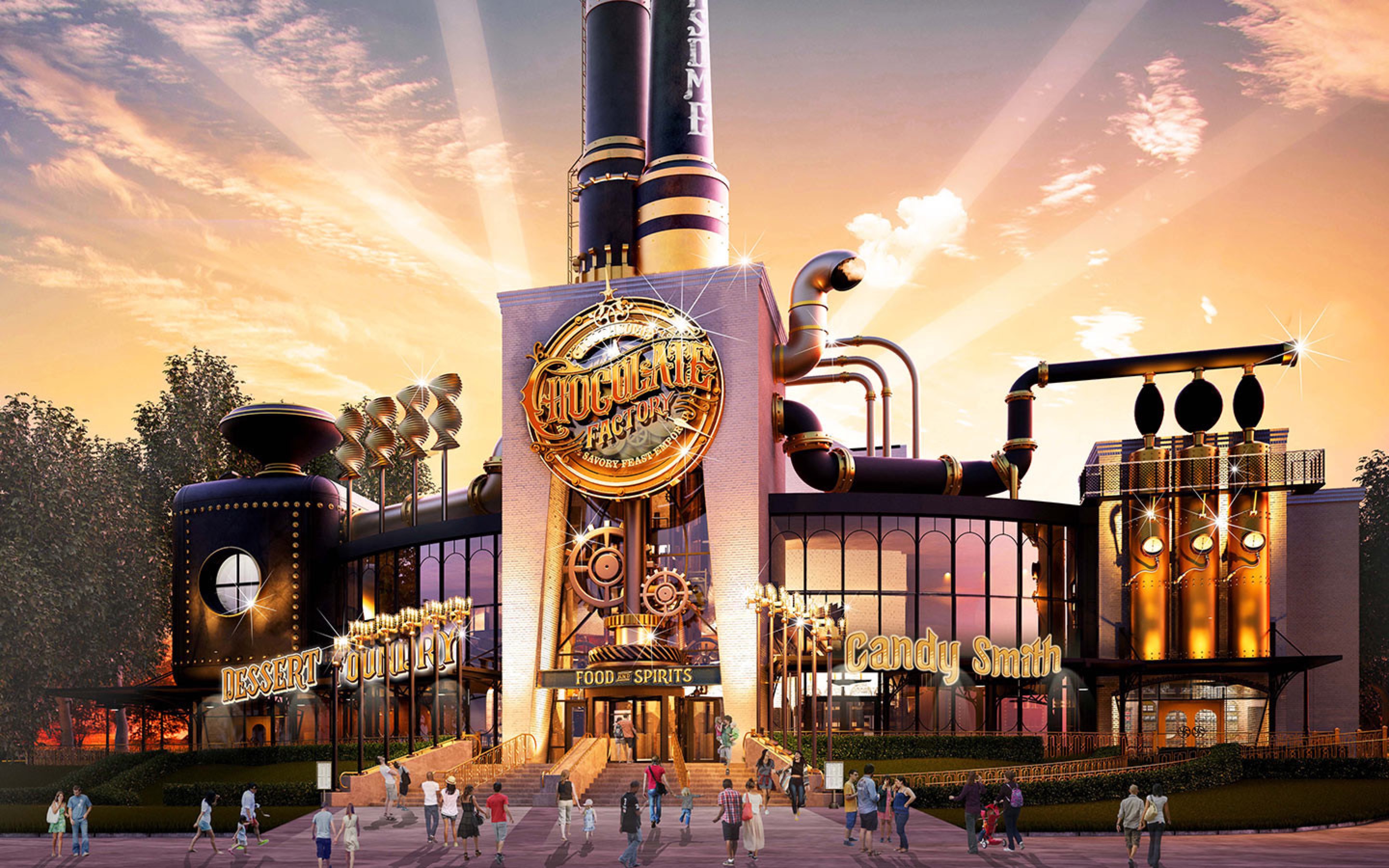
The enduring belief that a single madcap inventor governed a real confectionery empire stems from the larger-than-life industrialists of the early 20th century. Roald Dahl synthesized traits from multiple candy barons when constructing Willy Wonka’s complex psychology.
One primary influence was Milton Hershey, who established an entire company town in Pennsylvania in 1903. Hershey combined genuine benevolence with total operational command over his workers' lives, constructing schools, parks, and housing around chocolate facilities.
An even sharper parallel is Forrest Mars Sr., the notoriously secretive patriarch of the Mars candy empire. Mars ran his enterprise with monastic discipline, intense secrecy, and volatile perfectionism. He refused outside interviews, prowled plant floors checking candy temperatures, and famously threw tantrums if a batch of M&Ms showed uneven lettering. Mars barred competitors, journalists, and unvetted visitors from stepping foot into his production lines.
In Britain, the Cadbury family provided the architectural model. George and Richard Cadbury relocated their operations from urban Birmingham to rural Bournville in 1879, creating an idyllic manufacturing village designed to foster healthy living for factory workers. The Bournville estate was self-contained, paternalistic, and surrounded by greenery. To a child looking at its perimeter, the factory appeared as a sovereign, self-sustaining world operating on its own private rules.
Chloe Bennett explores the intersection of pop culture, streaming entertainment, digital trends, and contemporary lifestyle. Her weekly commentary reaches thousands of culture enthusiasts.
