Ear Candling Controversies: from Ancient Ritual to Modern Medical Alerts
 By Elena Rostova
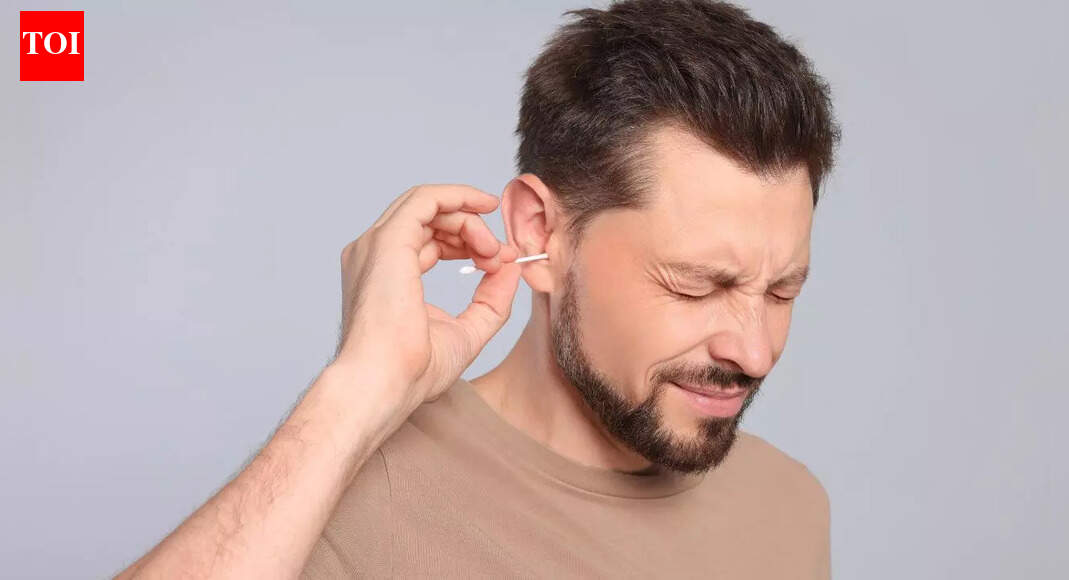
When candling fails, the fallout lands squarely on otolaryngologists and urgent care clinicians. Rather than relieving cerumen impaction, the melting wax frequently runs downward into the canal. Liquid paraffin settles against the eardrum, hardening into an inert, obstructive cast that resists standard water flushing and requires delicate surgical extraction under microscopy.
| Intervention Method | Mechanism of Action | Documented Complication Rate | Primary Clinical Risks |
|---|---|---|---|
| Hollow Ear Candling | Supposed thermal draft suction (disproven) | High (~20%, 30% adverse incident exposure) | Tympanic membrane perforation, thermal burns, wax occlusion |
| Clinical Microsuction | Low-pressure medical vacuum under direct binocular view | Extremely Low (<1%) | Mild temporary dizziness, brief noise discomfort |
| Electronic Ear Irrigation | Controlled, pulsed warm-water hydrodynamic clearance | Low (~1%, 2%) | External otitis, moisture retention, contraindicated in perforations |
| Cerumenolytic Drops | Chemical emulsification via carbamide peroxide or saline | Very Low (<0.5%) | Localized skin irritation, transient swelling of dry wax |
The physical injuries documented by surgeons include full-thickness burns along the external auditory meatus and direct tympanic membrane perforation. In severe cases, hot wax breaches the paper-thin eardrum, entering the middle ear cavity. This requires tympanoplasty surgery to patch the membrane and can leave patients with permanent conductive hearing impairment.
Elena Rostova holds a Master's degree in Public Health Journalism. She covers groundbreaking medical research, holistic wellness trends, mental health awareness, and nutritional science.
