Dresses, Makeup, and Alter Egos: David Bowie's Visual Gender Exploration Explained
 By Maya Lin-Takahashi
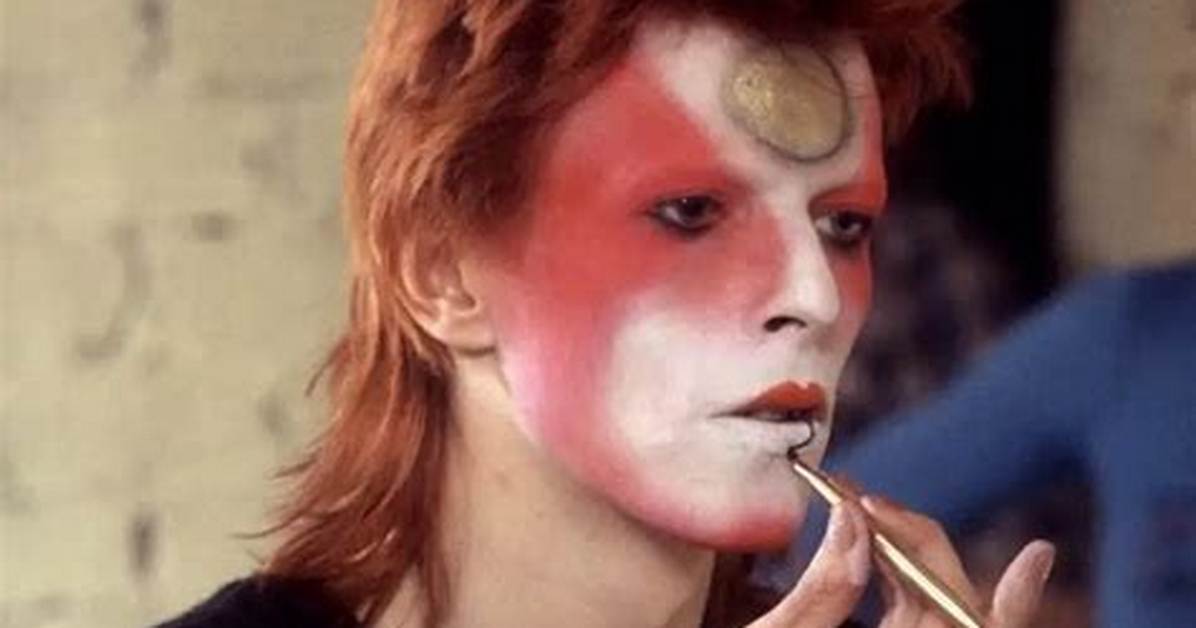
Bowie did not remain locked in one visual archetype. He killed off Ziggy Stardust onstage at the Hammersmith Odeon in July 1973, pivoting rapidly through contrasting visual frameworks that systematically tested the limits of public taste.
| Era & Persona | Primary Aesthetics | Cultural & Gender Disruption |
|---|---|---|
| The Man Who Sold the World (1970, 1971) | Mr. Fish satin gowns, flowing curls, Pre-Raphaelite staging | Dismantled rock's blue-collar machismo by presenting men's couture dresses in public spaces. |
| Ziggy Stardust & Aladdin Sane (1972, 1973) | Kansai Yamamoto jumpsuits, lightning-bolt makeup, shaved eyebrows | Introduced alien, sexless, and bisexual aesthetics into mainstream youth culture. |
| The Thin White Duke (1975, 1976) | Crisp white shirts, black waistcoats, slicked blonde hair, pale face powder | Subverted traditional European aristocratic tailoring with fragile, bloodless theatricality. |
| Berlin Era & 'Scary Monsters' (1977, 1980) | Oversized leather, Natasha Korniloff Pierrot clown suits, dramatic eyeliner | Bridged Weimar-era gender transgression with emerging London Blitz Club New Romanticism. |
By 1976, Bowie had stripped away the glitter and sequins to construct the Thin White Duke. Swapping lamé bodysuits for monochrome cabaret tailoring, he retained a ghostly, powdered countenance that remained decidedly androgynous. Even when he pivot to conventional, sun-bleached pop stardom with Let's Dance in 1983, his bleached pompadour and tailored pastel suits retained an ambiguous dandyism that defied blue-collar rock expectations.
Maya is a hardware enthusiast who tests and reviews smart home devices, smartphones, wearables, and audio gear. She focuses on practical consumer value and build quality.
