Dresses, Makeup, and Alter Egos: David Bowie's Visual Gender Exploration Explained
 By Maya Lin-Takahashi
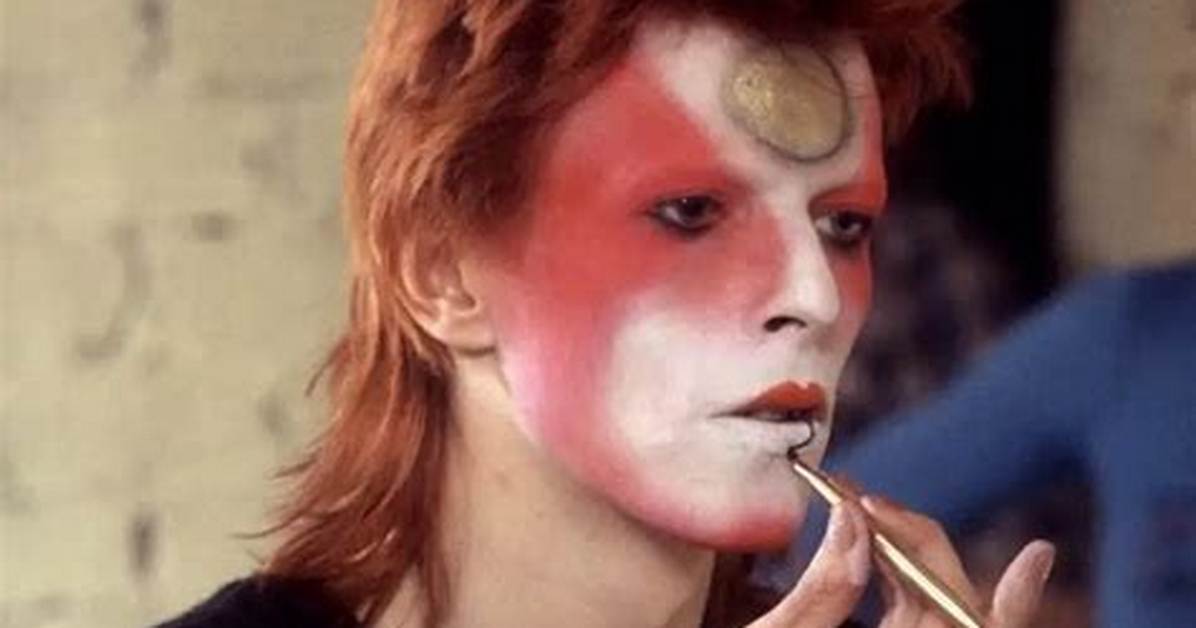
If Bowie lived his personal life as a man who married twice, first to Angie Barnett in 1970 and later to supermodel Iman Abdulmajid in 1992, why does online discourse routinely question if he was trans or non-binary? The answer lies in how cultural symbols change over time.
For individuals coming of age in the 1970s and 1980s, Bowie offered visual permission to reject rigid gender scripts. He proved that a person assigned male at birth could wear makeup, high heels, and satin gowns without surrendering authority or artistic cool. In an era devoid of internet support networks or mainstream LGBTQ+ visibility, his public appearances provided a lifeline for marginalized youths who felt alien in their own bodies.
Modern queer and trans communities celebrate Bowie because his artistic body of work anticipated contemporary ideas of gender as performative. Long before philosopher Judith Butler published Gender Trouble in 1990, Bowie demonstrated that gender is an act, a series of stylistic choices, gestures, and garments rather than an unchangeable internal biological script.
Maya is a hardware enthusiast who tests and reviews smart home devices, smartphones, wearables, and audio gear. She focuses on practical consumer value and build quality.
