Does 'Ne' Really Mean Yes? the Linguistic Truth Behind Korean Agreement Patterns
 By Maya Lin-Takahashi
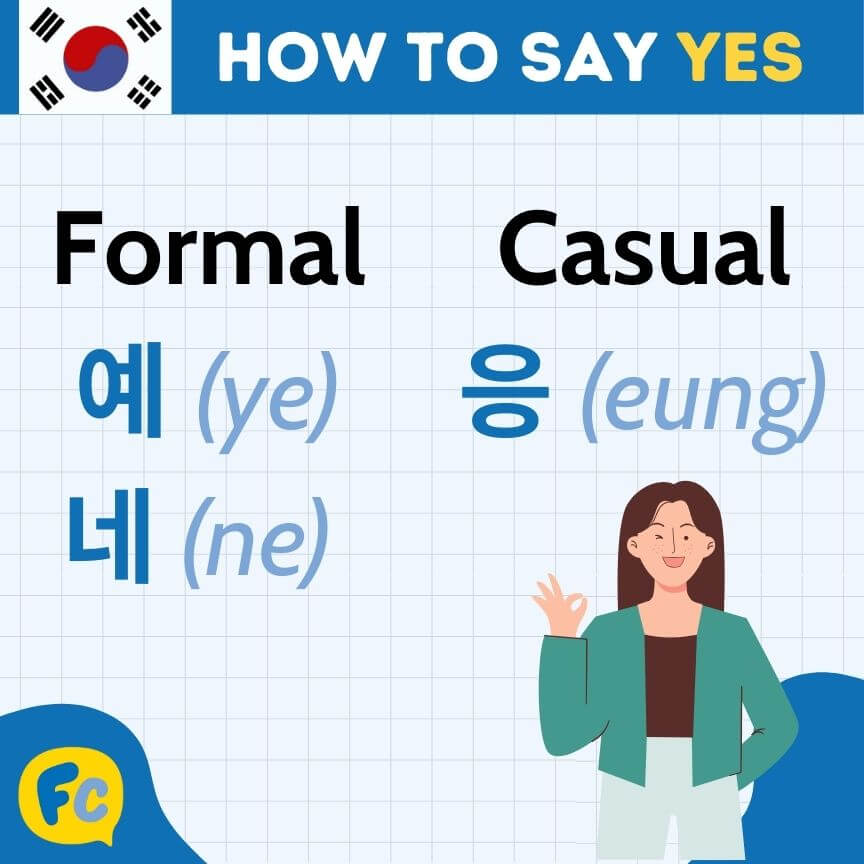
Q1: If someone asks, "You aren't hungry?" how do I say I AM hungry?
A1: Answer with "Aniyo, baegopayo" (아니요, 배고파요). The aniyo rejects the speaker's negative premise ("No, your assumption is incorrect"), and baegopayo explicitly clarifies your physical state ("I am hungry").
Q2: Is it ever appropriate to use "eung" in a professional setting?
A2: No. Using eung with superiors, clients, or unfamiliar colleagues is considered a significant breach of etiquette. Reserve it strictly for close friends of equal or younger age, romantic partners in casual settings, or younger family members.
Q3: Why do some Koreans say "Ne" with an intake of breath?
A3: Inhaled speech (ingressive sound production) is a common pragmatic device in conversational Korean. Inhaling slightly while saying ne or ye signals heightened attentiveness, agreement without interrupting the other speaker's train of thought, and emotional responsiveness.
Maya is a hardware enthusiast who tests and reviews smart home devices, smartphones, wearables, and audio gear. She focuses on practical consumer value and build quality.
