Does Kt Tape for Shoulder Pain Actually Work? the Surprising Science Behind the Strips
 By Chloe Bennett
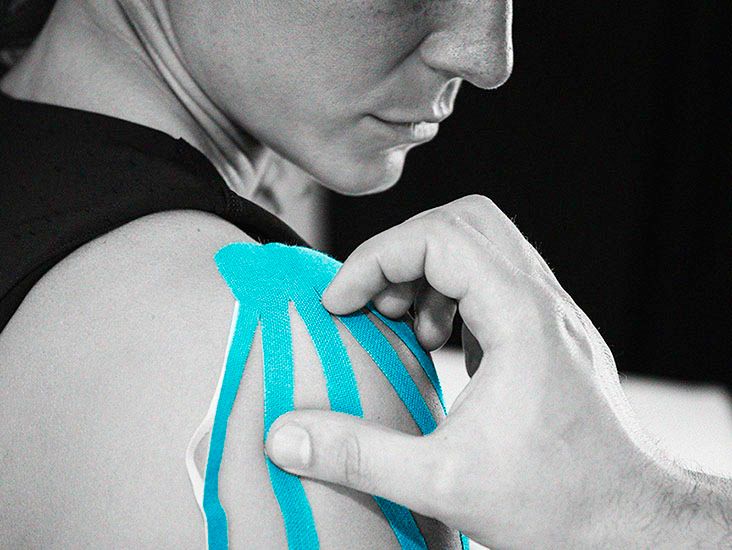
Understanding that kinesiology tape acts as a sensory modulator helps determine where it adds clinical value and where it wastes time.
Shoulder Impingement and Subacromial Irritation
For shoulder impingement support, practitioners typically place an anchor strip over the anterior deltoid, wrap it around the acromion, and terminate it on the spine of the scapula with roughly 25 to 50 percent stretch. The goal is not pulling the bone down, but providing kinesthetic cues that discourage forward humeral migration and excessive anterior shoulder rolling during desk work or bench pressing. It serves as an active postural biofeedback device.
Rotator Cuff Tendinopathy
When the supraspinatus tendon is irritated, tape cannot stitch the collagen matrix together. However, applying a Y-strip configuration hugging the deltoid borders reduces perceived resting pain. This short-term analgesia creates a vital therapeutic window, allowing patients to complete rotator cuff strengthening exercises without triggering inflammatory guarding.
AC Joint Separation Tape Configurations
In Grade 1 or mild Grade 2 acromioclavicular sprains, clinicians use downward-directed tape with higher tension across the clavicle to provide a sense of topical security. For true Grade 3 separations, where the coracoclavicular ligaments are completely severed and the clavicle floats visibly upward, elastic tape is useless. Such injuries require either rigid mechanical immobilization or orthopedic surgical intervention.
Chloe Bennett explores the intersection of pop culture, streaming entertainment, digital trends, and contemporary lifestyle. Her weekly commentary reaches thousands of culture enthusiasts.
