Do Motivational Quotes Actually Change Behavior? the Science of Words for Men
 By Chloe Bennett
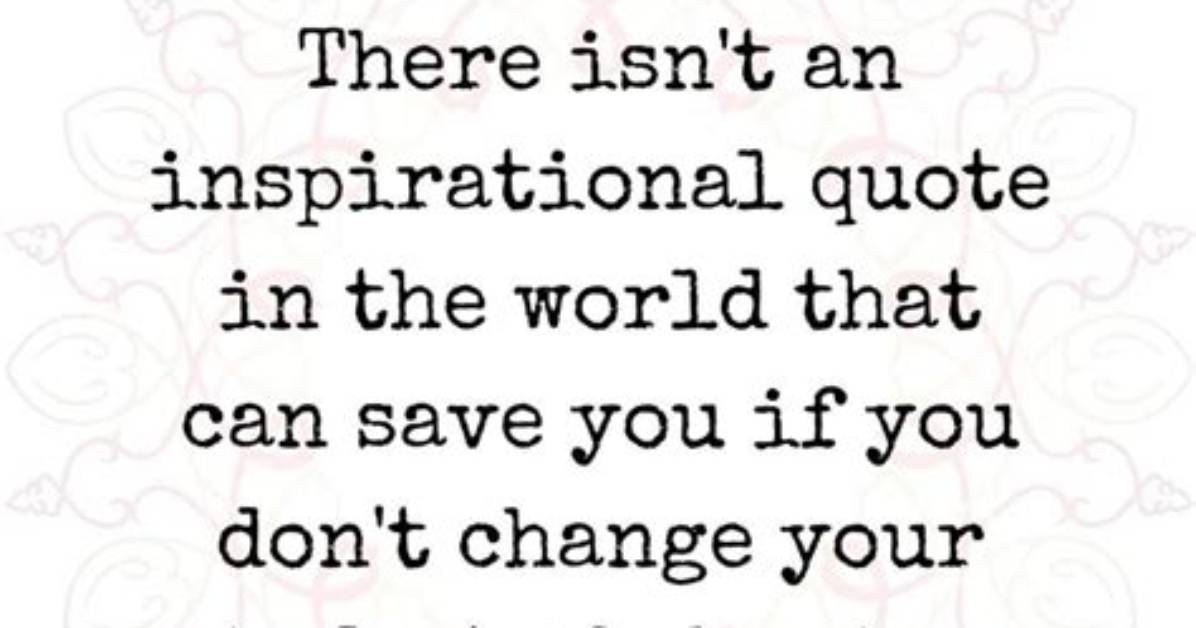
The human brain processes roughly 11 million bits of sensory information per second, but conscious processing handles merely 40 to 50 bits. To survive this cognitive bottleneck, the mind relies heavily on priming, an implicit memory effect where exposure to a stimulus influences response to a later stimulus. When a man reads a focused statement regarding resilience and discipline before a grueling workout or high-stakes negotiation, he is not simply enjoying literature. He is executing selective attentional biasing.
Behavioral psychology demonstrates that semantic primes activate associated mental schemas. Repeating a targeted phrase establishes an immediate neural shortcut. In clinical assessments monitoring working memory under acute physical distress, subjects given task-specific self-talk protocols maintained motor output for 18% longer than control groups operating without structured self-directed cues. The mantra operates as an inhibitory control mechanism: it suppresses involuntary impulses to quit by occupying the phonological loop with an intentional instruction.
This dynamic explains why generic platitudes fall flat while actionable phrases stick. Slogans highlighting personal agency trigger the internal locus of control. Instead of viewing suffering as an external ambush, the brain categorizes the ordeal as a voluntary challenge, dampening the amygdala's threat signaling.
Chloe Bennett explores the intersection of pop culture, streaming entertainment, digital trends, and contemporary lifestyle. Her weekly commentary reaches thousands of culture enthusiasts.
