Do Jews Celebrate Christmas? Visual Traditions, Hanukkah, and Winter Holidays
 By Sophia Al-Mansoor
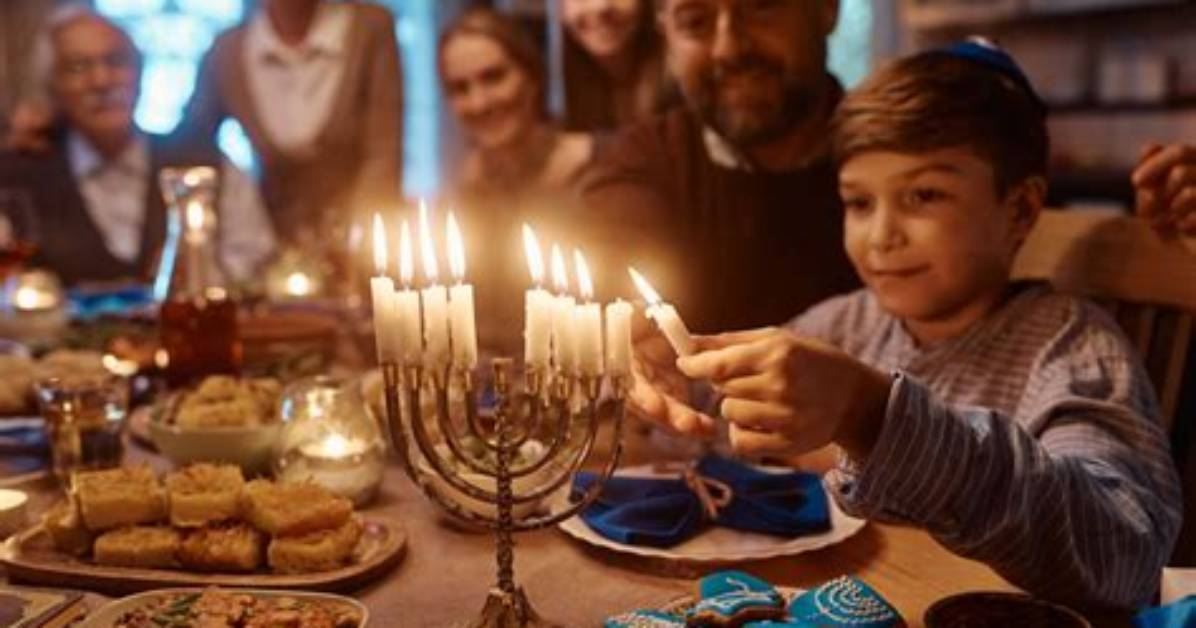
Outside the synagogue, American and European Jewish communities have spent over a century establishing their own winter rhythms. The most famous sociological outcome of this experience is the tradition of eating Chinese food and going to movie theaters on Christmas Day.
Originating on New York City's Lower East Side in the late nineteenth and early twentieth centuries, the ritual arose out of basic practicalities. Jewish immigrants and Chinese immigrants lived side by side as non-Christian minority groups. On Christmas Day, when Christian-owned establishments closed for church services and family feasts, Chinese restaurants remained open.
Chinese culinary techniques also matched Jewish needs relatively well. While authentic traditional restaurants were not strictly kosher, Chinese dishes did not mix dairy and meat into gravies, which made avoiding explicit milk-and-meat violations much easier than dining at classic European establishments.
Over the decades, this improvised schedule turned into an affectionate badge of Jewish cultural identity. Families organize large group dinners at dim sum halls, purchase tickets to holiday film releases, or volunteer at community soup kitchens and hospitals to relieve Christian colleagues working holiday shifts. Rather than feeling left out, Jewish households use December 25 to affirm their own communal presence.
Sophia analyzes international trade, startup ecosystems, retail transformation, and supply chain logistics for modern digital publications.
