Diljit Dosanjh's Career Origins Explained: Age, First Songs, and the Decisions That Made Him
 By James H. Sterling
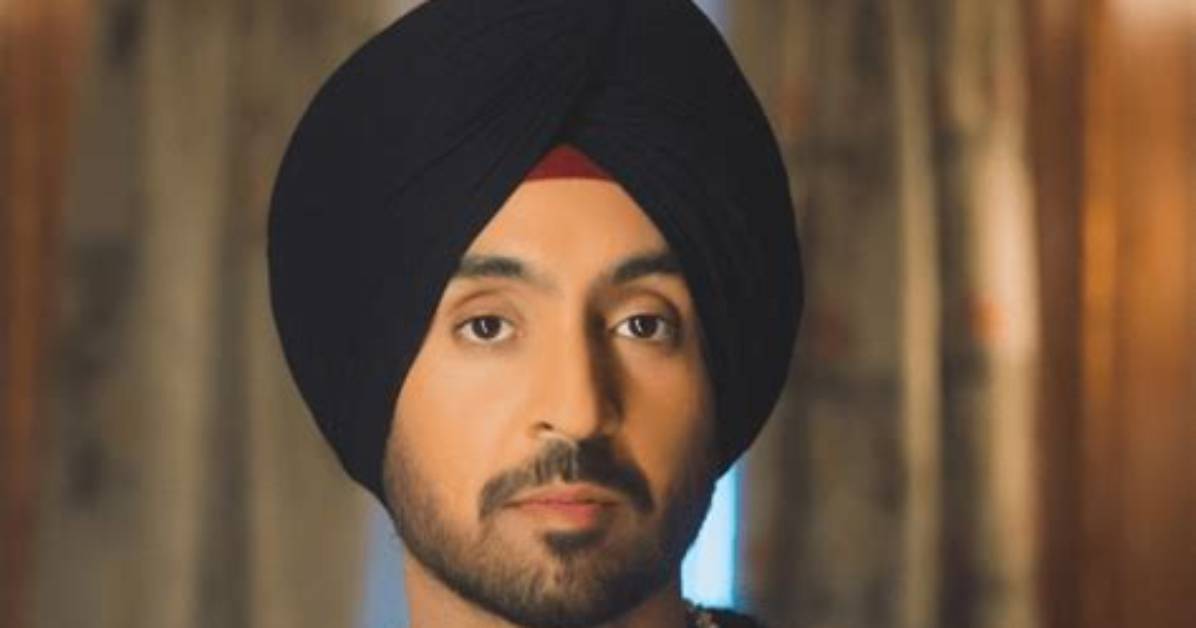
Modern listeners discover music via automated algorithms, but Dosanjh's initial breakthrough in 2004 had to survive an unforgiving physical market. In early 2000s Punjab, success was measured in physical cassette runs and local cable channel broadcasts like MH One and ETC Punjabi. Piracy was rampant, and independent artists routinely surrendered master rights to regional distributors simply to get their music placed in shops.
Following Ishq Da Uda Ada, Dosanjh recognized that standard bhangra tracks were oversaturating the market. He adjusted his sonic identity for his sophomore album, Smile (2005), teaming up with music director Sukhpal Sukh. The title track was a massive commercial hit, proving that his debut was not a fluke.
Instead of remaining inside the regional music box, Dosanjh slowly diversified. He moved from purely traditional compositions to polished, Western-influenced urban bhangra beats, collaborating with UK producers and later testing the waters of acting in 2011 with The Lion of Punjab. Though that debut film flopped commercially, the film's soundtrack introduced "Lak 28 Kudi Da" (featuring Honey Singh), which reached number one on the official Asian Download Chart in the UK.
James Sterling reports on renewable energy developments, climate policy, ecological conservation, and green tech innovations around the globe.
