Dangerous Superstition or Empowering Saint? Fact-Checking Santa Muerte
 By Marcus Vance
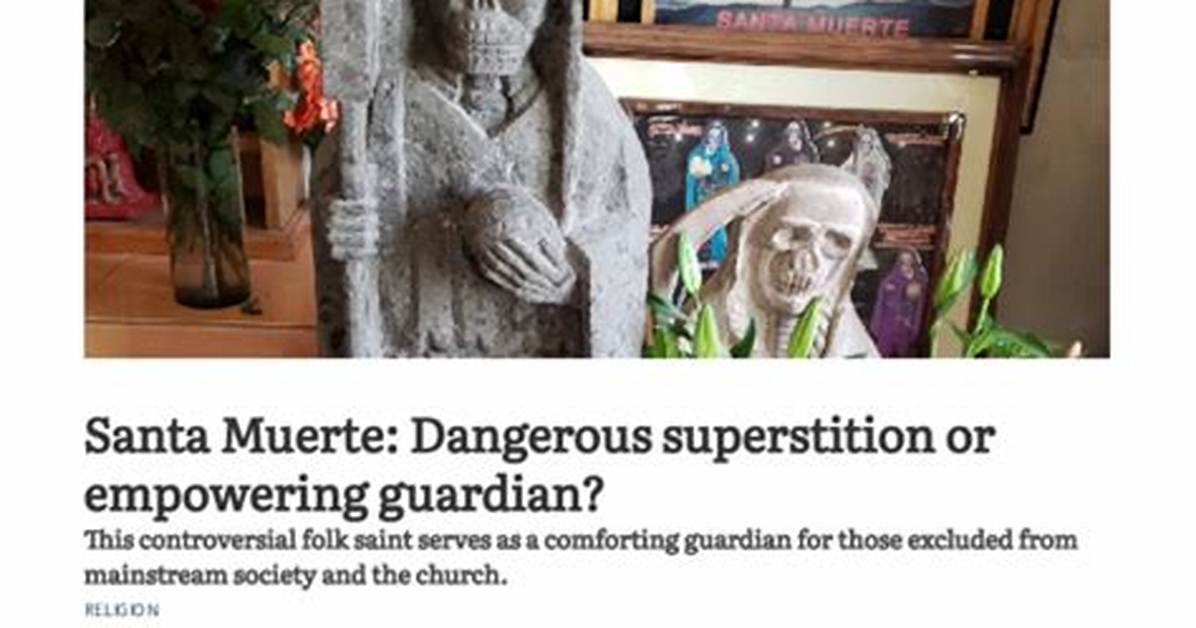
Public veneration exploded into open view in 2001, when a woman named Enriqueta Romero, affectionately known as Doña Queta, placed a life-sized Santa Muerte effigy outside her home in Mexico City’s rough-and-tumble Tepito neighborhood. Before that moment, devotees worshipped in private domestic quarters, hiding statues behind bedroom doors or inside kitchen cupboards to avoid police harassment and family estrangement. Doña Queta’s open-air shrine turned a hidden folk tradition into a visible, rapidly spreading social movement.
Over the past two decades, that grassroots devotion crossed international borders. From market stalls in Guadalajara to storefronts in Los Angeles, Chicago, and Phoenix, shrines have moved out of the shadows. Devotees leave offerings of apples, tobacco, cash, and copal incense. They pray the Catholic rosary, substituting traditional verses with direct petitions to La Huesuda (The Bony Lady). Sociologists estimate that Santa Muerte is now the fastest-growing religious movement in the Americas, boasting between 10 million and 12 million followers across the hemisphere.
This rapid migration reflects deep economic displacement. When formal medical systems, fair wages, and legal documentation remain inaccessible, people turn to folk saints who do not demand moral purity tests or bureaucratic paperwork. Santa Muerte accepts everyone, precisely because death claims every human without regard to class, race, or legal status.
Marcus Vance is a cybersecurity auditor and technology writer dedicated to educating the public about online safety, data privacy regulations, enterprise security, and emerging cyber threats.
