Costco Sued over Heavy Metals: Is Your Protein Powder Tainted with Lead and Arsenic?
 By Sophia Al-Mansoor
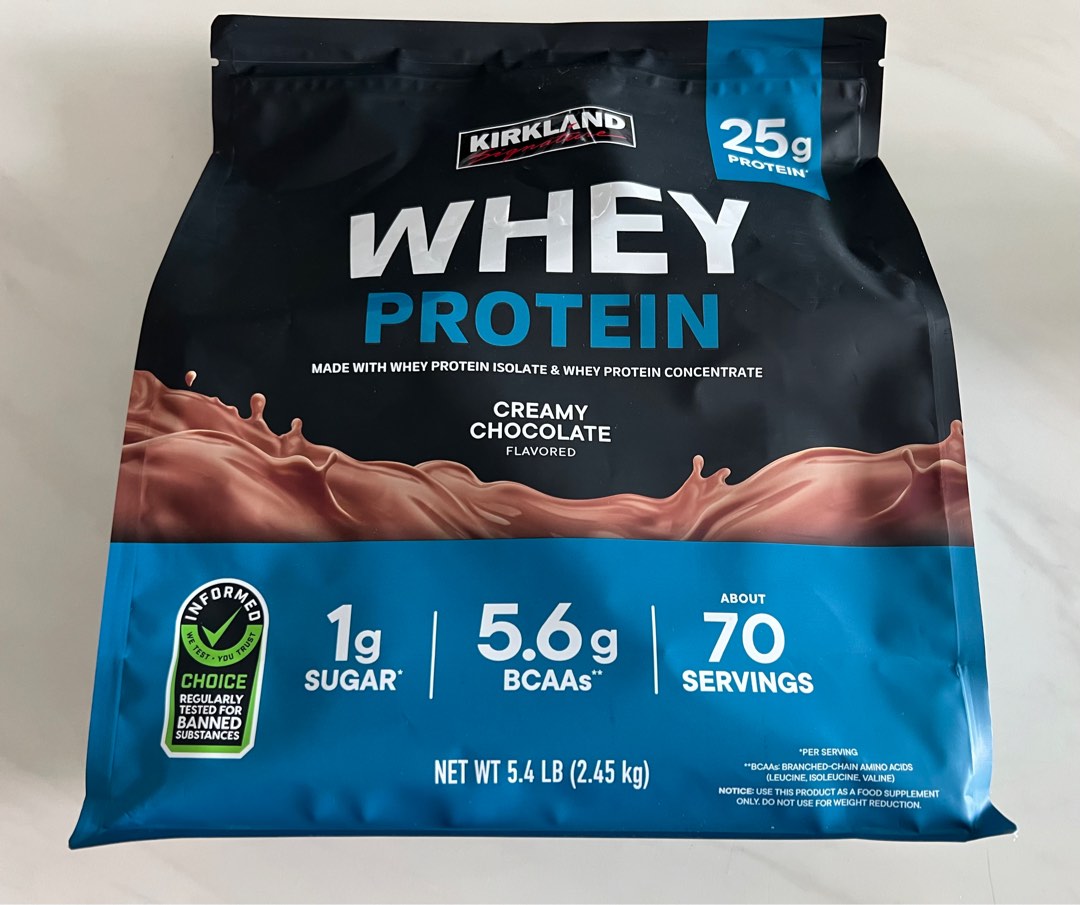
Much of the initial public confusion centers on which specific tubs are sitting under legal fire. While warehouse members immediately wondered about Kirkland Signature whey and plant formulas, the class action points a spotlight at Orgain, a dominant plant-based protein brand prominently featured in Costco clubs nationwide.
The biological reality of plant-based protein explains why these products are uniquely vulnerable to contamination. Plant ingredients like peas, brown rice, chia seeds, and hemp pull nutrients directly from the soil. When soil or agricultural water contains natural mineral deposits or industrial runoff, those crops draw heavy metals through their root systems. The manufacturing process then concentrates those crops into protein powder, inadvertently concentrating toxic heavy metals as well.
Dairy-derived proteins, such as Kirkland Signature 100% Whey, undergo an entirely different biological filter. Dairy cows metabolize feed and water, and their internal organs screen out a vast majority of environmental heavy metals before nutrients ever reach the milk supply. While dairy powders can suffer from industrial adulteration or poor processing hygiene, plant-based powders bear an inherently higher risk of agricultural lead and arsenic contamination.
| Contaminant | Primary Source in Supplements | Health Hazard Threshold |
|---|---|---|
| Lead (Pb) | Contaminated agricultural soil, historical leaded pesticide residue | Cumulative neurotoxin; damages cardiovascular health; California Prop 65 daily limit is 0.5 micrograms |
| Inorganic Arsenic (As) | Irrigation water, brown rice ingredients, geological mineral veins | Known Group 1 human carcinogen; linked to bladder, lung, and skin cancers; Prop 65 limit is 10 micrograms |
| Cadmium (Cd) | Phosphate-based synthetic fertilizers, industrial soil pollution | Targeted kidney toxin; causes bone demineralization; Prop 65 limit is 4.1 micrograms |
Sophia analyzes international trade, startup ecosystems, retail transformation, and supply chain logistics for modern digital publications.
