Complete Dachshund Temperament Guide: Living with a Big Dog in a Tiny Body
 By Elena Rostova
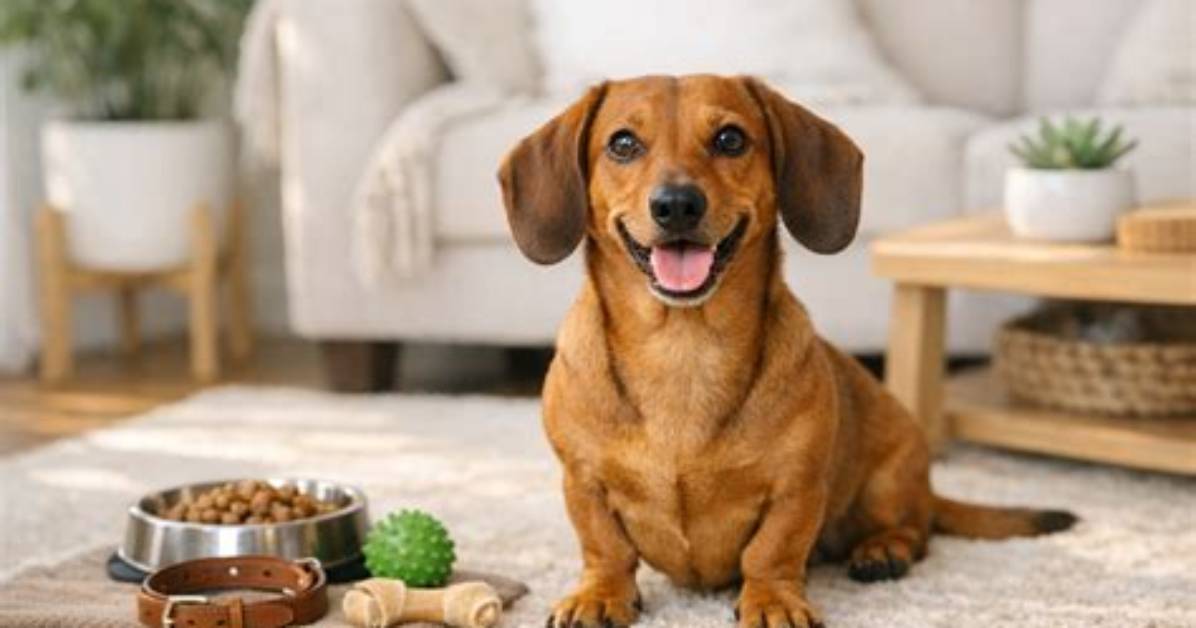
Coat variation in Dachshunds is not purely aesthetic; historic crossbreeding introduced distinct genetic temperaments to each coat type. Wirehaired varieties incorporated schnauzer and terrier bloodlines to withstand briar patches; longhaired varieties were crossed with German spaniels to create a softer retriever profile; the original smooth-coated lineage retained pure scent-hound traits.
| Variety & Size | Genetic Heritage | Dominant Temperament Traits | Management Focus |
|---|---|---|---|
| Smooth-Haired (Standard/Mini) | Pure ancestral hound roots | Single-person attachment, intense alert response, strong prey drive | Stranger socialization and structured boundaries |
| Wirehaired (Standard/Mini) | Dandie Dinmont & Schnauzer infusions | Clownish, bold, high-energy, mischievous, defiant | High physical stimulation and impulse-control drills |
| Longhaired (Standard/Mini) | Spaniel cross-breeding | Mellow, biddable, affectionate, lower reactivity threshold | Handling separation sensitivity and coat maintenance |
| Miniature Dachshund (All Coats) | Selective down-sizing for small burrows | Elevated vigilance, rapid trigger response, pronounced vocalization | Protecting fragile spines and early desensitization |
When assessing miniature dachshund temperament against their standard counterparts, handlers find that smaller size concentrates energy. Miniatures demonstrate quicker trigger times, lower thresholds for reactive barking, and heightened sensitivity to physical environments. The wirehaired vs smooth dachshund personality debate frequently splits working enthusiasts: wirehairs act like feisty, bearded terriers who thrive on physical conflict, while smooths display classic, unwavering hound loyalty focused on a primary guardian.
Elena Rostova holds a Master's degree in Public Health Journalism. She covers groundbreaking medical research, holistic wellness trends, mental health awareness, and nutritional science.
