How the 12 Fps Animation Trend Took over Attack on Titan: Revolution Overnight
 By Sophia Al-Mansoor
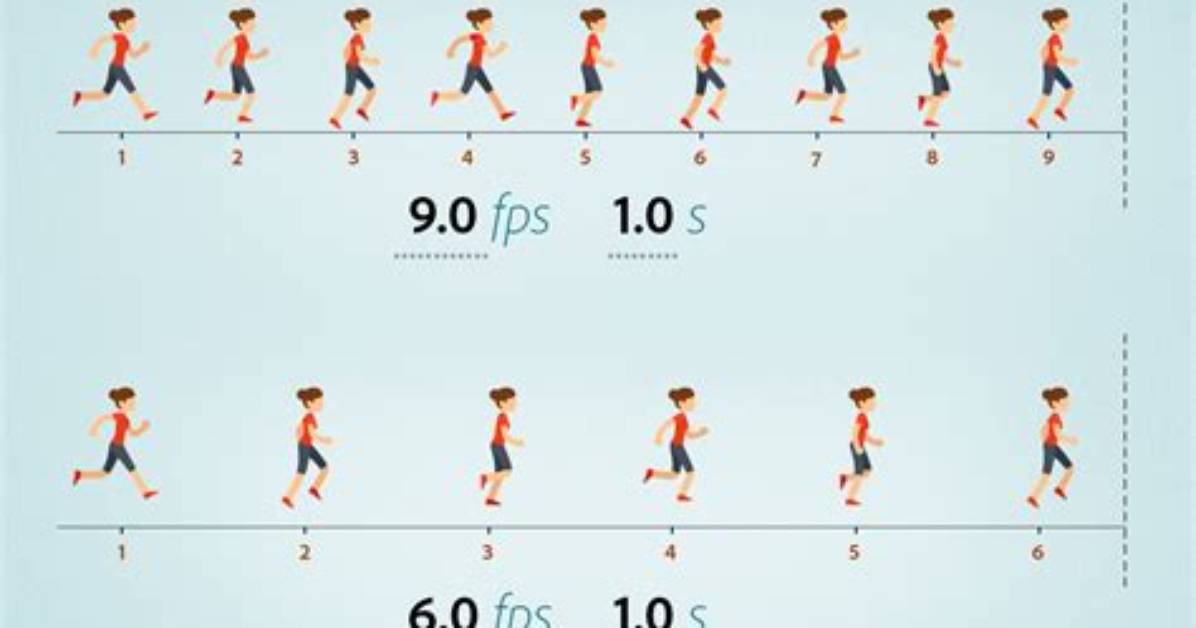
Traditional 2D animation operates at 24 frames per second. Animators rarely draw 24 unique illustrations for a single second of screen time because doing so drains production budgets and often makes character movements appear unnaturally slick. Instead, studios draw one frame for every two frames of film, a technique known industry-wide as "animating on twos", effectively producing 12 unique character states per second.
Modern video game engines do the exact opposite. Engines like Unreal, Unity, and Roblox prioritize frame interpolation. They calculate intermediary positions between animation keyframes to ensure motions flow seamlessly at whatever frame rate the user’s monitor supports. When applied to anime-style action, this interpolation erases the punchy poses that define iconic combat choreography. Stepped keyframes eliminate intermediate transitions, snapping the rig instantly from anticipation to impact.
The critical technical breakthrough in AOTR’s implementation was separating the character rig update loop from the rendering pipeline. The client continues rendering world geometry, lighting calculations, and camera translation at 144 Hz or higher, ensuring zero display latency. Only the skeletal mesh of the scout updates at 83.33-millisecond intervals. The player enjoys modern display fluidity alongside vintage anime cinematography.
Sophia analyzes international trade, startup ecosystems, retail transformation, and supply chain logistics for modern digital publications.
