Can Strangers Really Generate Ai Clones of You on Instagram? Fact-Checking Meta’s New Permissions
 By Robert Thorne
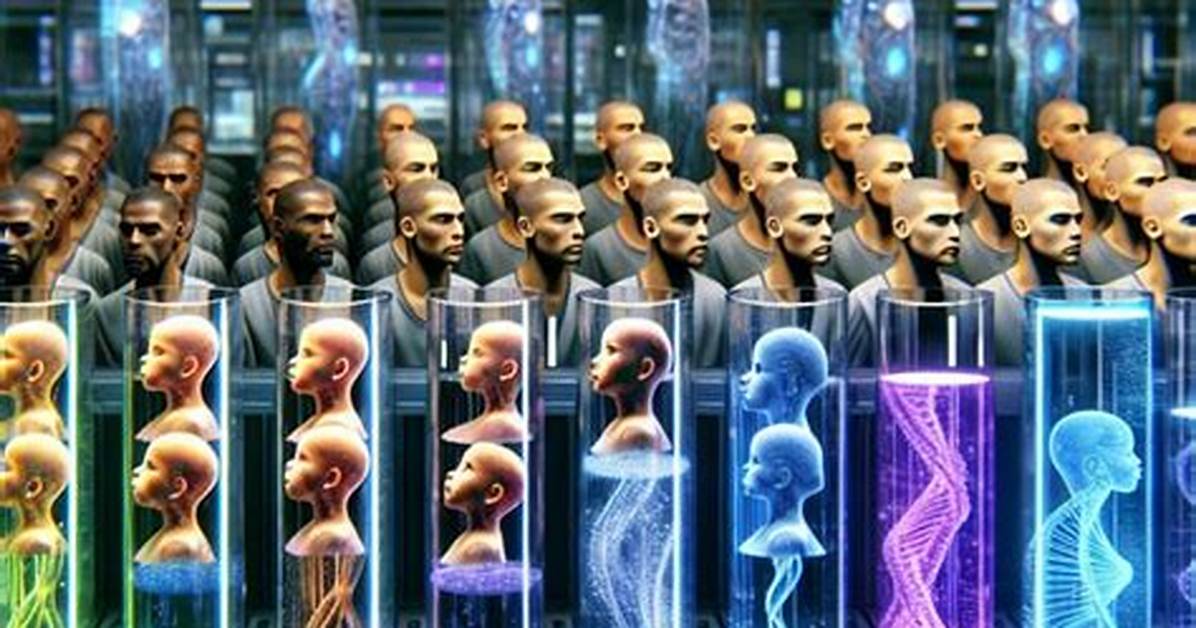
Viral graphics often exaggerate technical realities, but they rarely emerge from thin air. The current wave of alarm started when users noticed subtle updates to Meta's service agreements and platform permissions. Threads and TikTok creators broadcasted tutorials claiming that Instagram had activated an unauthorized face-cloning pipeline overnight. Within 72 hours, millions of accounts re-shared identical warnings.
Most of these panic-posts misunderstood what was actually switched on. Meta did not deploy a public feature allowing random followers to turn your selfies into custom AI avatars with a single tap. What did change, however, was the integration between cross-platform media re-sharing and the company's proprietary model-training pipelines. When your account is public, your creative output, including facial photographs, short videos, and vocal cadence, becomes fair game for platform aggregation, Reels remixes, and ingestion into corporate datasets.
Copying and pasting copyright disclaimers into your bio or feed does nothing. Meta's legal agreements rely strictly on the programmatic permissions configured in your account settings. If you want to protect your digital likeness, you must interact directly with the toggle controls built into the app.
Robert Thorne covers electric vehicle innovations, autonomous driving systems, global mobility trends, and automotive engineering developments.
