Camera Angles and Courtside Reactions: the Real Story Behind the Fergie Anthem Memes
 By Robert Thorne
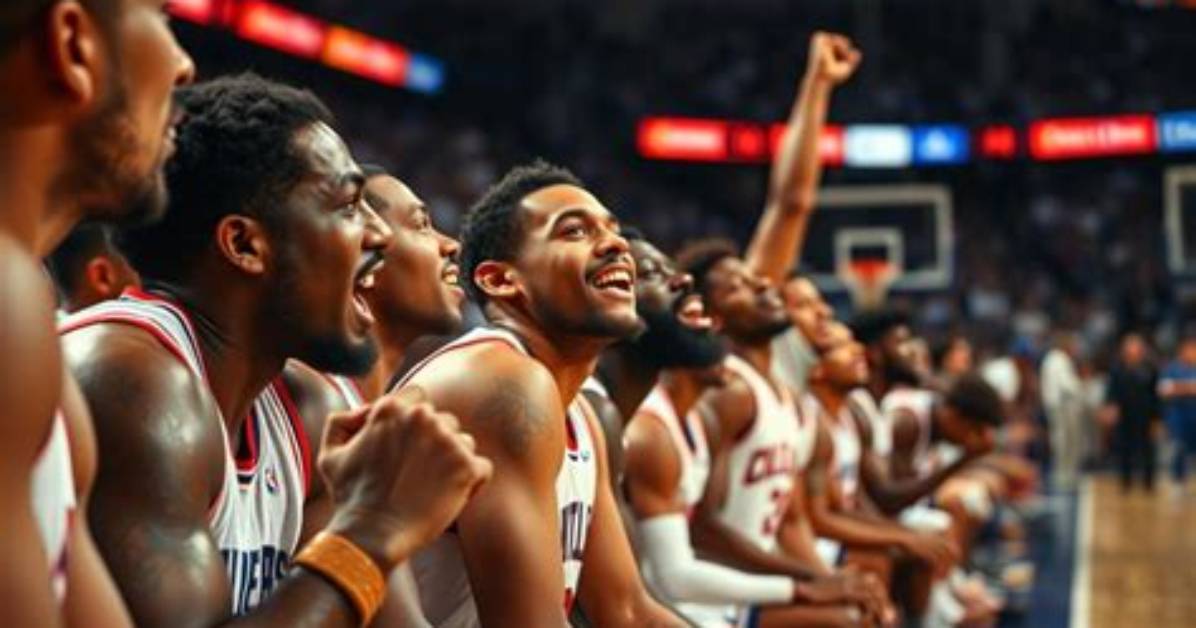
Musicians and vocal coaches spent weeks analyzing why a multi-platinum pop singer with genuine vocal ability struggled so noticeably on that stage. The problem was not a lack of vocal chops; it was an acute disconnect between genre ambition and architectural acoustics.
"The Star-Spangled Banner" is notoriously difficult to sing. The composition spans an octave and a half, demanding robust breath support across an awkward vocal break. Most successful stadium singers rely on a march tempo or a gospel foundation that relies on driving momentum. Fergie deliberately chose a sultry torch-song approach reminiscent of 1950s nightclub jazz.
In an intimate room with acoustic baffling, that phrasing can sound daring. Inside an NBA arena, where sound waves bounce off steel trusses and glass luxury boxes with a half-second delay, dragging the tempo creates severe rhythmic drift. Fergie had to fight the arena’s natural echo while executing difficult vocal runs. Every micro-tonal adjustment sounded exaggerated on the clean broadcast audio feed, turning deliberate stylistic slides into what listeners perceived as pitch instability.
Robert Thorne covers electric vehicle innovations, autonomous driving systems, global mobility trends, and automotive engineering developments.
