Buck, Doe, or Coyote? the Fact-Check Guide to Identifying Backyard Winter Snow Tracks
 By Sophia Al-Mansoor
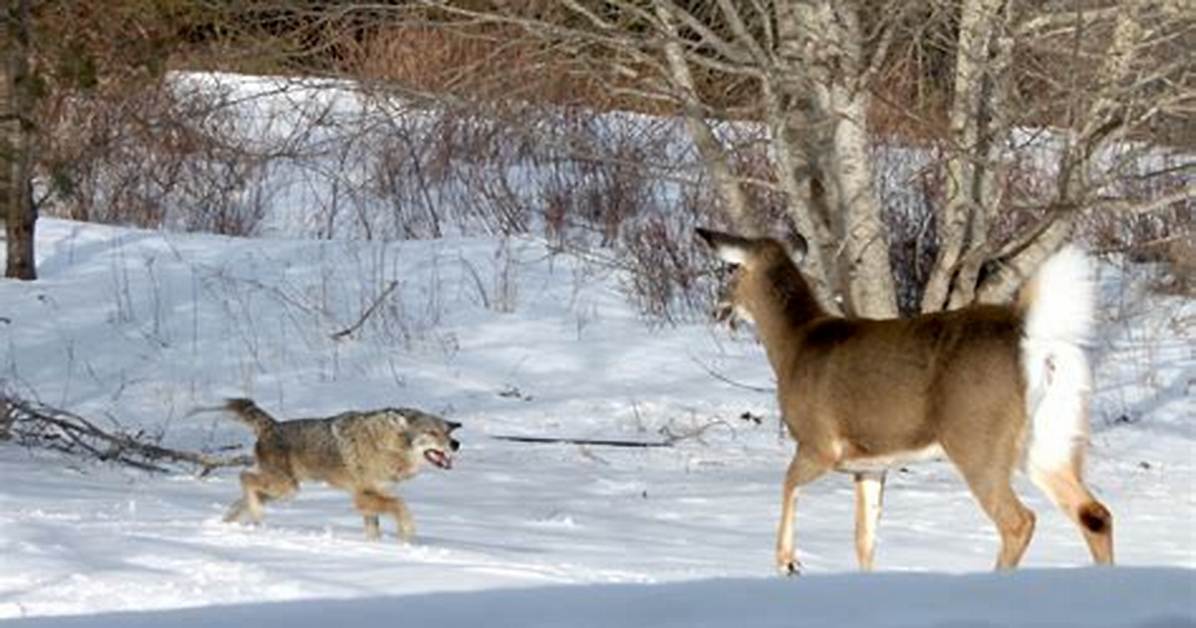
Following a track line deeper into cover eventually leads to bedding areas. White-tailed deer behavior shifts dramatically as winter temperatures drop below freezing. Energy conservation becomes their sole survival objective. In cold conditions, deer abandon open pastures and seek out south-facing hillsides or dense stands of hemlock, cedar, and spruce that block chilling winds.
Timber bedding signs appear as oval, ice-crusted depressions where the animal's body heat melted the top layer of snow before refreezing into a hard glaze. Examining these beds offers immediate demographic context. Multiple beds clustered within several yards of one another indicate a family group consisting of a matriarch doe, her fawns from the previous spring, and occasionally a yearling female.
Mature bucks bed separately outside the autumn rut. A single, isolated bed tucked tightly against a fallen hemlock trunk or backed into a dense brush pile almost always indicates a lone buck. He positions his bed with the prevailing wind at his back, allowing him to smell danger approaching from behind, while maintaining an open sightline down-slope to spot incoming predators visually.
Sophia analyzes international trade, startup ecosystems, retail transformation, and supply chain logistics for modern digital publications.
