Broccoli Rabe vs Broccolini Fact-Check: Are They Even Related to Real Broccoli?
 By Elena Rostova
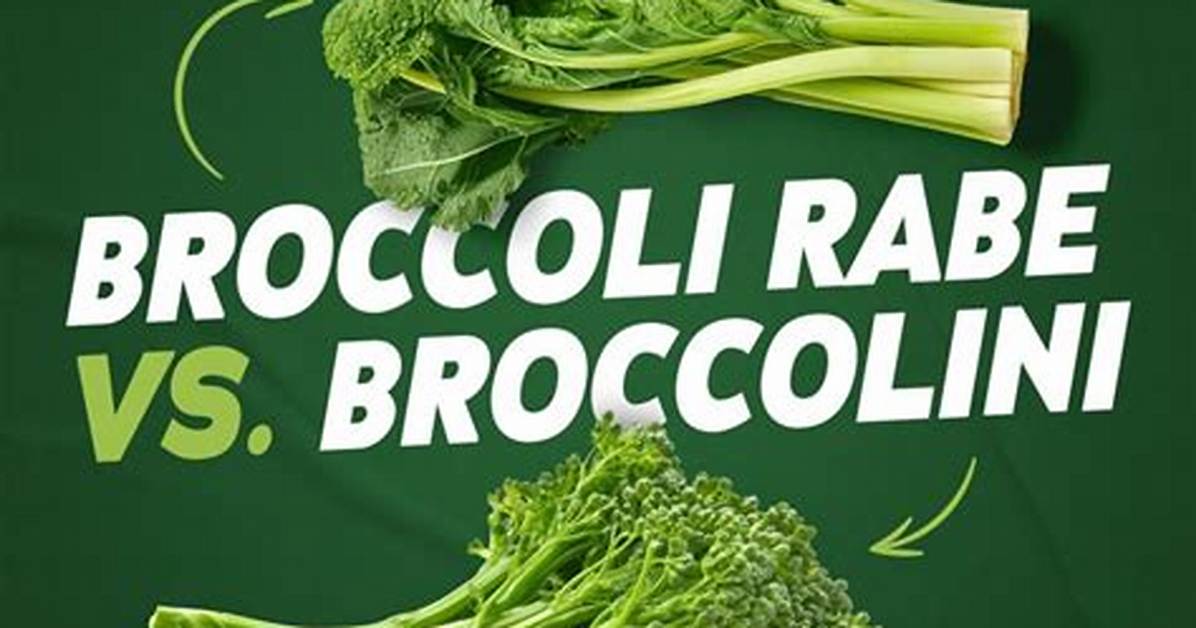
Cooking broccoli rabe demands respect for its bitter compounds. Dumping raw rapini directly into a dry roasting pan yields leathery leaves and overwhelming bitterness. The standard Italian technique relies on blanching and sautéing. Submerging chopped rabe in vigorously boiling, heavily salted water for 90, 120 seconds leaches excess glucosinolates into the water. Shocking the greens in an ice bath halts carryover cooking, locking in an emerald green hue.
Once blanched and squeezed dry, sauté the greens in abundant olive oil alongside sliced garlic, chili flakes, or anchovy fillets. The Food & Wine culinary test kitchen showcased this principle in early 2026 with their sausage and broccoli rabe burgers, where rabe was sautéed until soft and layered against rich, seasoned pork patties to keep the bitterness functional rather than jarring.
Broccolini thrives under dry, intense heat. Its tender stems contain sufficient natural sugars that caramelize rapidly under 425°F oven roasting or a blistering cast-iron sear. Toss trimmed stalks with avocado or olive oil, salt, and black pepper, then spread them in a single layer on a preheated baking sheet. Within 12, 15 minutes, the florets turn crispy while the stems develop tender chewiness. A squeeze of fresh lemon juice or a dusting of grated pecorino right out of the oven balances the natural sugars.
Elena Rostova holds a Master's degree in Public Health Journalism. She covers groundbreaking medical research, holistic wellness trends, mental health awareness, and nutritional science.
