Breaking Down Malevolent Shrine's Hand Sign, Visual Design, and Lethal Radius
 By James H. Sterling
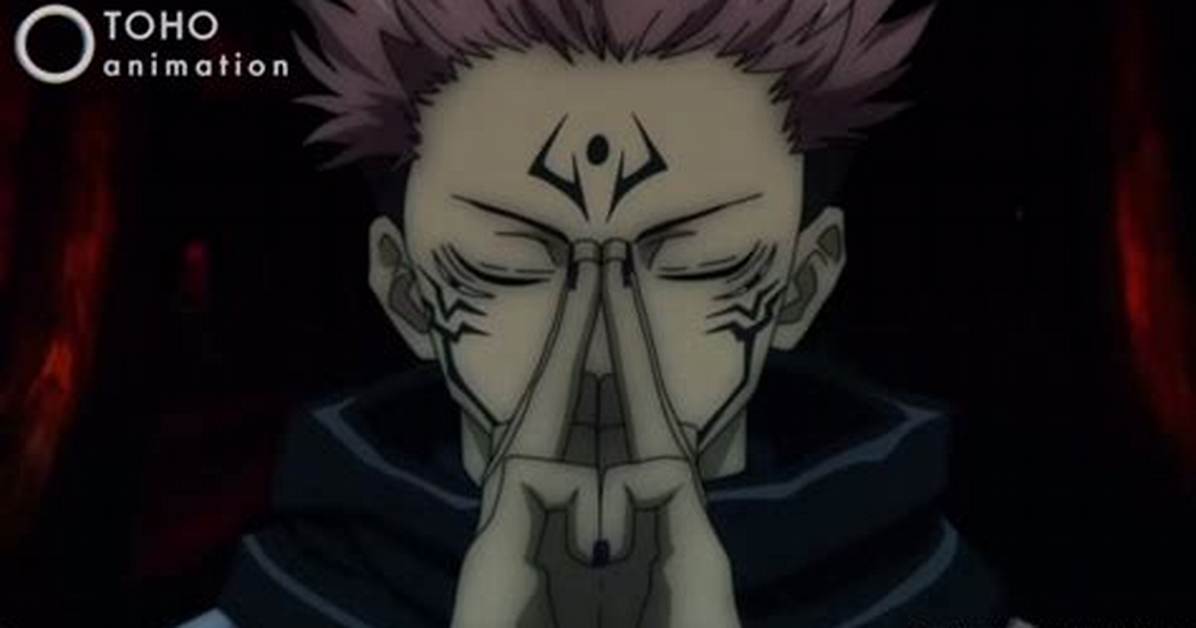
Sukuna forms the seal for Malevolent Shrine by pressing his index and middle fingers together while interlacing his remaining fingers into an inverted clutch. This gesture derives directly from esoteric Mikkyo Buddhism, representing Enmaten (Yama), the wrathful Buddhist deity of judgment, justice, and the underworld.
In traditional iconography, Enmaten presides over the karmic scales, determining the cycle of rebirth or damnation for departing souls. Sukuna distorts this sacred role into a perverse proclamation of supremacy. He acts as both judge and executioner, viewing humanity not as souls destined for karmic balance, but as insects awaiting slaughter. When he clamps his hands into this posture, he does not ask for divine intervention. He announces that judgment has already concluded, and only punishment remains.
The name Fukuma Mizushi deepens this theological corruption. While officially localized as Malevolent Shrine, the Japanese phrasing carries layered, sinister nuances. "Fukuma" references a lurking den of demons or evil spirits, drawing historical parallels to Chinese classic literature where subterranean caverns harbor ancient corruptions. "Mizushi" refers to an imperial kitchen or a miniature shrine dedicated to storing sacred Buddhist relics. By merging these terms, Akutami paints a sickening picture: Sukuna’s domain is a sacred altar converted into a demonic butcher shop, where human beings are chopped, sliced, and consumed.
James Sterling reports on renewable energy developments, climate policy, ecological conservation, and green tech innovations around the globe.
