Brake Cleaner vs Maf Cleaner: the Costly Myth Damaging Modern Engines
 By David Miller
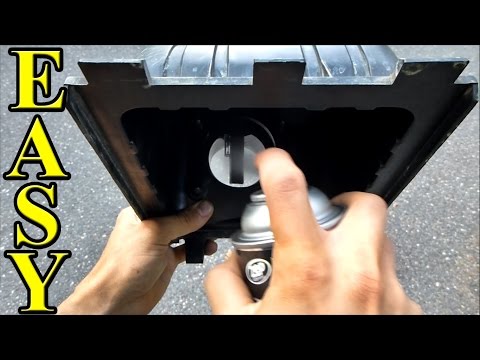
The persistent impulse to grab brake cleaner stems from its reputation as a rapid, blast-away degreaser. Yet brake cleaner formulations rely on harsh chemical cocktails: acetone, toluene, heptane, and occasionally chlorinated solvents designed to leave bare cast-iron brake rotors squeaky clean.
Expose an air metering module to these aggressive agents, and disaster follows. The intense cold produced by rapid acetone evaporation creates violent thermal shock, cracking the fragile platinum filament or ceramic substrate. Beyond the thermal shock, industrial degreasers degrade the potting epoxy and composite plastics securing the internal electronics, producing permanent internal short circuits.
Rubbing alcohol (isopropyl alcohol) appears gentler, but it carries a different set of hazards. Standard drugstore rubbing alcohol contains between 10% and 30% purified water. Water dries slowly, leaves mineral and moisture traces inside the circuit housing, and induces micro-corrosion on gold-plated terminals.
Worse, internet tutorials frequently advise dipping cotton swabs in alcohol to physically wipe the wire. Touching a modern hot wire or thin-film element with a cotton applicator is catastrophic. The slightest lateral pressure bends or snaps the microscopic suspension mounts, turning an intact sensor with minor dust buildup into irreversible electronic scrap.
David Miller brings 15 years of experience in global economics, personal finance strategy, and market dynamics. He specializes in turning complex economic trends into actionable insights for everyday readers.
