Boston Red Line Crisis: Massive Multi-Station Shutdowns Loom as Arlington Revives Decades-Old Expansion Fight
 By Robert Thorne
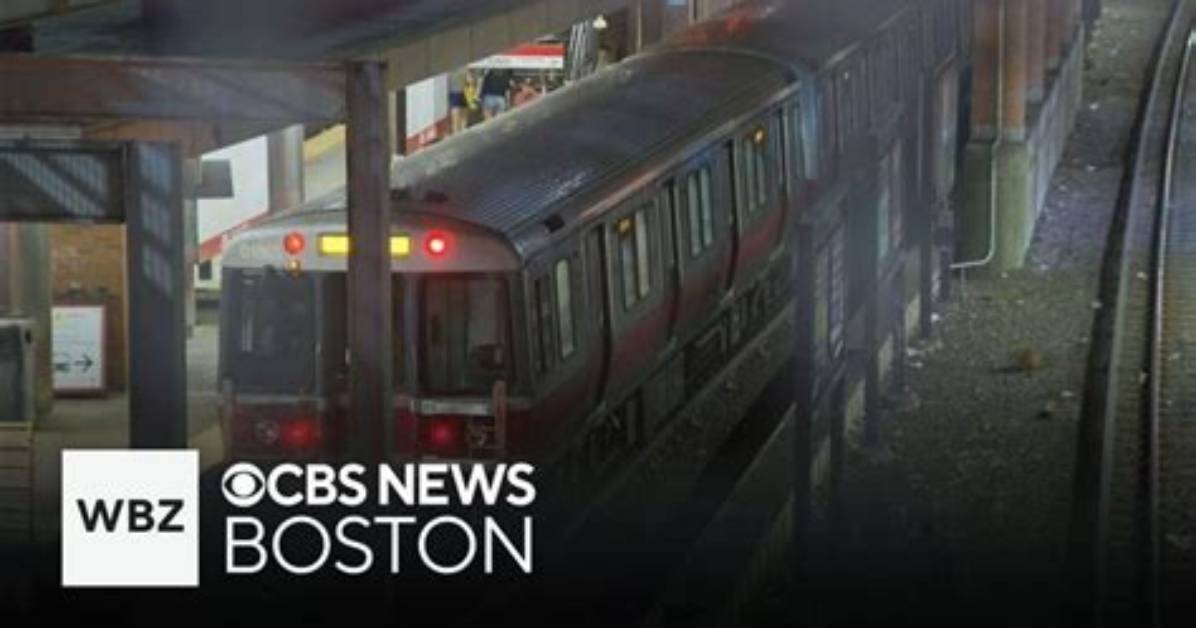
General Manager Phillip Eng's track improvement plan relies on blunt force: complete line closures rather than months of overnight work. For decades, the MBTA attempted to maintain the Red Line during three-hour overnight maintenance windows. Workers spent ninety minutes hauling equipment into subterranean tunnels and another half-hour securing the perimeter before revenue service resumed at dawn. The strategy failed. Track geometry drifted out of federal compliance, wooden ties rotted in damp ballast, and emergency speed restrictions metastasized across the entire network.
The current blockades close long stretches of track for up to 10 consecutive days. Crews rip out ballast, replace aging rail ties, align third rails, and replace signal cabling that dates back to the Nixon administration. The disruptions are severe. When tracks go cold between Alewife and Kendall/MIT or across the Charles River into Park Street station, travel times for suburban workers instantly triple.
Riders on the southern tails face equal strain. The split between the Braintree and Ashmont branches means maintenance closures frequently isolate Quincy and Dorchester, compounding Greater Boston commuting delays. The agency insists the pain is finite. According to engineering briefings delivered at MBTA board meetings, concentrated closures accomplish in two weeks what traditional maintenance schedules failed to complete over three years.
Robert Thorne covers electric vehicle innovations, autonomous driving systems, global mobility trends, and automotive engineering developments.
