Baking Blunder Alert: Why Miscalculating Half of 2/3 Cup Ruins Your Batter
 By Chloe Bennett
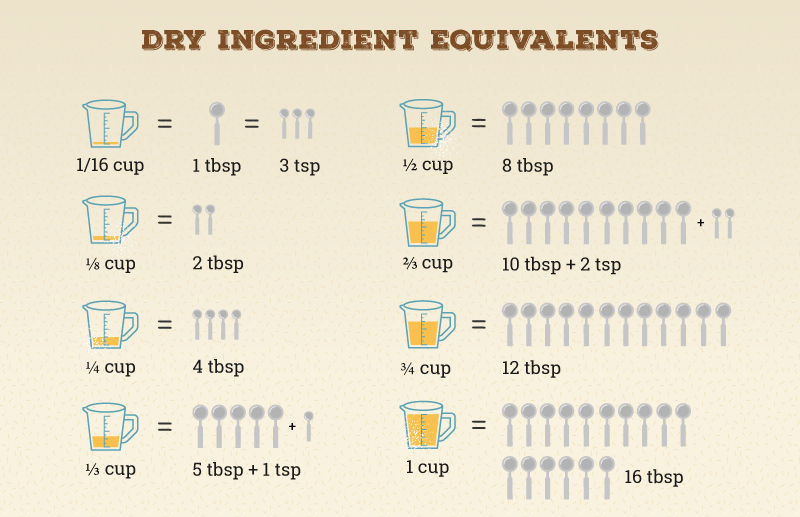
Halving an ingredient volume sounds purely mathematical. Real kitchen physics behaves differently. While dividing 2/3 cup of granulated sugar down to 1/3 cup works cleanly, scaling an entire formula down introduces structural complications.
Baking relies on delicate chemical balances. Leavening agents, such as baking powder and baking soda, do not always scale linearly. In small-batch bakes, moisture evaporates much faster relative to overall batter volume because pan surface area does not shrink at the exact same rate as your ingredient mass. A halved cake batter poured into a standard 9-inch pan spreads razor-thin, losing moisture rapidly and overbaking in minutes.
Eggs present another common hurdle. If a full batch demands 1 large egg, halving the recipe means cutting that egg in half. A large cracked egg yields approximately 3 tablespoons of liquid (around 50 grams). Whisk the whole egg thoroughly with a fork until the yolk and white combine into a uniform liquid, then measure out 1 tablespoon plus 1.5 teaspoons. Guessing by eye and tossing in just the yolk or just the white throws your fat-to-water ratio out of balance.
Chloe Bennett explores the intersection of pop culture, streaming entertainment, digital trends, and contemporary lifestyle. Her weekly commentary reaches thousands of culture enthusiasts.
