Inside Pelvic Anatomy: How Air Enters the Body and Why Queefing Is Harmless
 By Elena Rostova
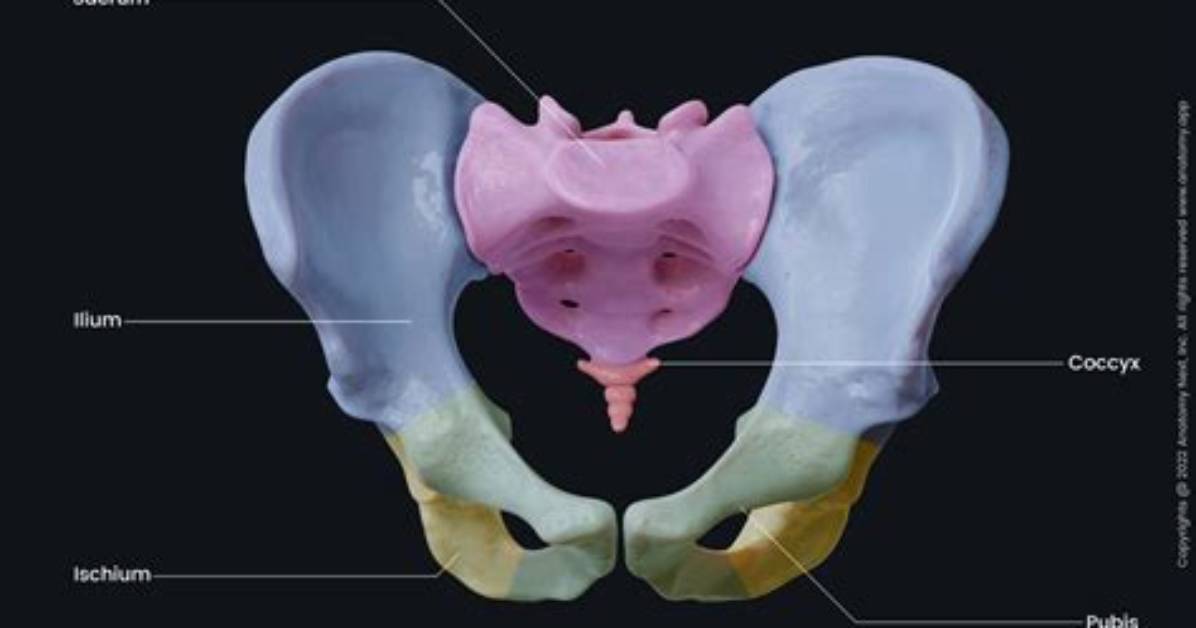
The human vagina does not exist as an open, rigid cavern. In its resting state, vaginal canal anatomy resembles a potential space where the anterior and posterior fibromuscular walls sit collapsed directly against each other. Lined with transverse mucosal folds called rugae, the canal expands dynamically to accommodate childbirth, tampon insertion, or sexual penetration. When ambient air enters this space, it becomes temporarily trapped between these collapsed mucosal walls.
Trapped air in the vagina cannot migrate into the abdominal cavity because the cervix forms a firm, mucus-sealed barrier at the top of the canal. The air has only one exit route: back out through the vaginal introitus. When abdominal pressure rises, whether from an inverted stretch, a step down from a curb, or pelvic muscle recruitment, that pocket of air compresses. As the pressurized gas forces its way past the labia majora and minora, the external tissue vibrates, producing a sound virtually identical to traditional flatulence.
Elena Rostova holds a Master's degree in Public Health Journalism. She covers groundbreaking medical research, holistic wellness trends, mental health awareness, and nutritional science.
