Art at the Zoo: How Wildlife Parks Are Partnering with Artists to Fund Conservation
 By James H. Sterling
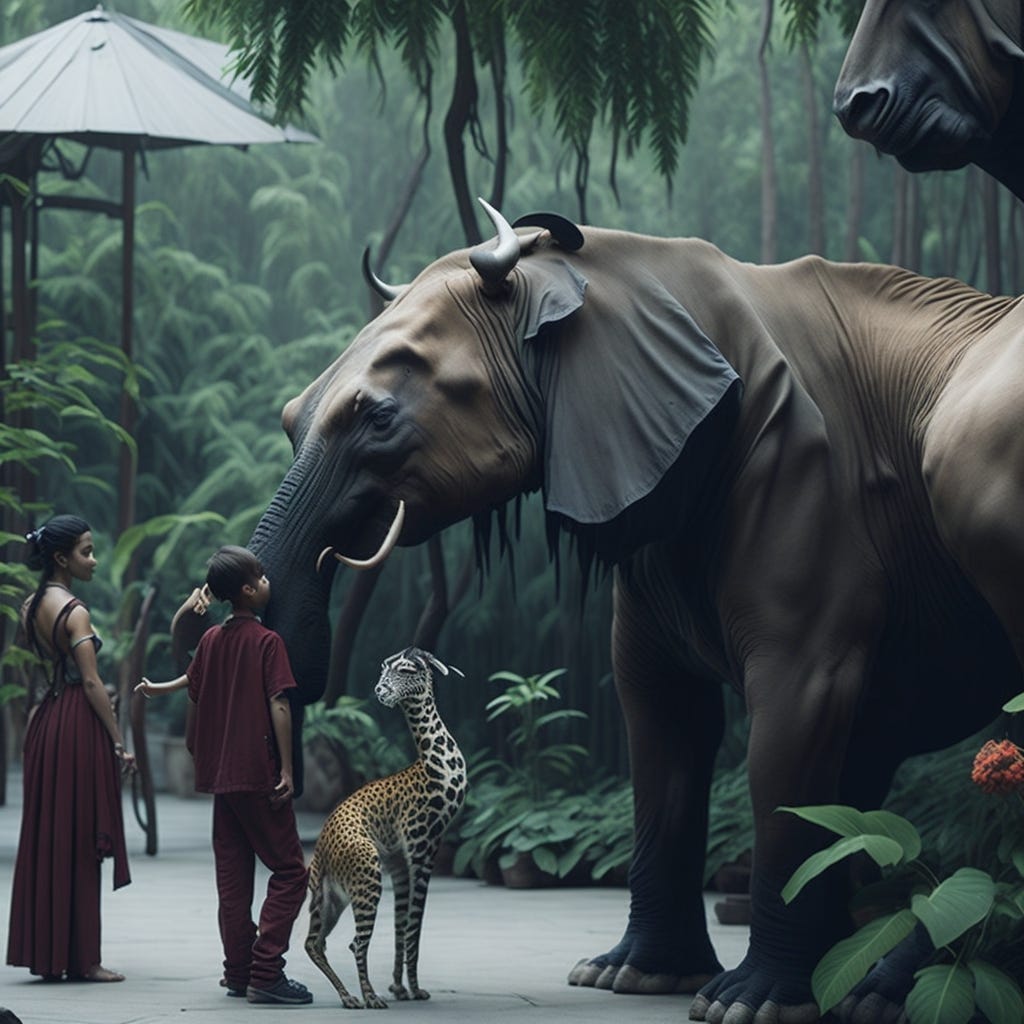
Inside the elephant barn and primate complex, art serves a dual function. Animal enrichment paintings, canvases marked with non-toxic, vegetable-based pigments applied by elephants, chimpanzees, rhinos, and sea lions, have migrated from quirky novelty items to serious fundraising commodities. The process is rooted strictly in behavioral science rather than human coercion.
Under Association of Zoos and Aquariums (AZA) protocols, keepers introduce paint sessions as positive-reinforcement problem-solving. An Asian elephant manipulates a brush with its prehensile trunk tip, choosing strokes and pressure voluntarily in exchange for preferred produce like sweet potatoes or watermelon slices. A sea lion might hold an oversized wooden brush mount with its mouth, tracking keeper cues to make sweeping lateral arcs across a waterproof canvas board. The animal can step away at any second. When the session finishes, the zoo mounts the resulting abstract piece alongside behavioral documentation, photographs of the session, and a certificate of authenticity signed by the lead curator. At annual galas, these singular artifacts regularly command between $1,500 and $12,000 per piece.
James Sterling reports on renewable energy developments, climate policy, ecological conservation, and green tech innovations around the globe.
