Are You Sleeping Wrong? How to Actually Use a Pregnancy Pillow to Stop Hip and Back Pain
 By James H. Sterling
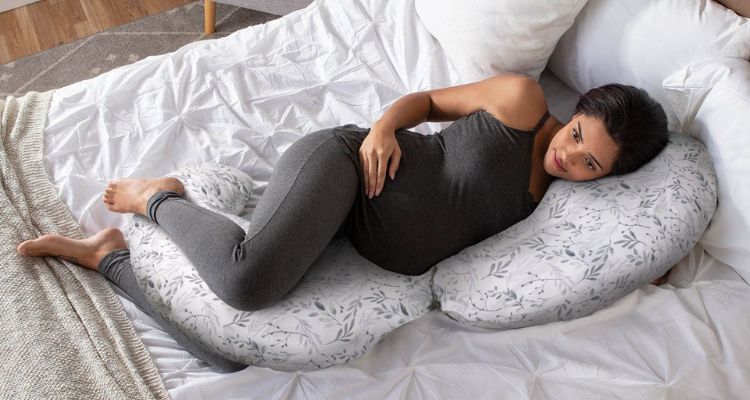
The most frequent error is excessive neck elevation. Many U-shaped and C-shaped units feature thick, overstuffed head sections. Resting on these can shove the cervical spine into sharp lateral flexion, crimping the trapezius and shoulder muscles. If your maternity pillow angles your chin toward your chest or tilts your head toward your shoulder, do not sleep on its integrated headrest. Slide down, rest your head on a flat, supportive orthopedic pillow, and use the maternity pillow arms solely for your torso and legs.
Another systemic oversight involves the gap between your lower back and the mattress. When you lie on your side, your waist dips inward toward the bed, causing the lumbar vertebrae to sag laterally. To stop this lower back strain, wedge a small folded towel or the tapered edge of a belly wedge directly under the curve of your flank. Filling this void supports your ribs and prevents lateral lumbar bending before you fall asleep.
James Sterling reports on renewable energy developments, climate policy, ecological conservation, and green tech innovations around the globe.
