Are Grapes Berries? Sorting Botanical Science from Grocery Aisle Myth
 By Maya Lin-Takahashi
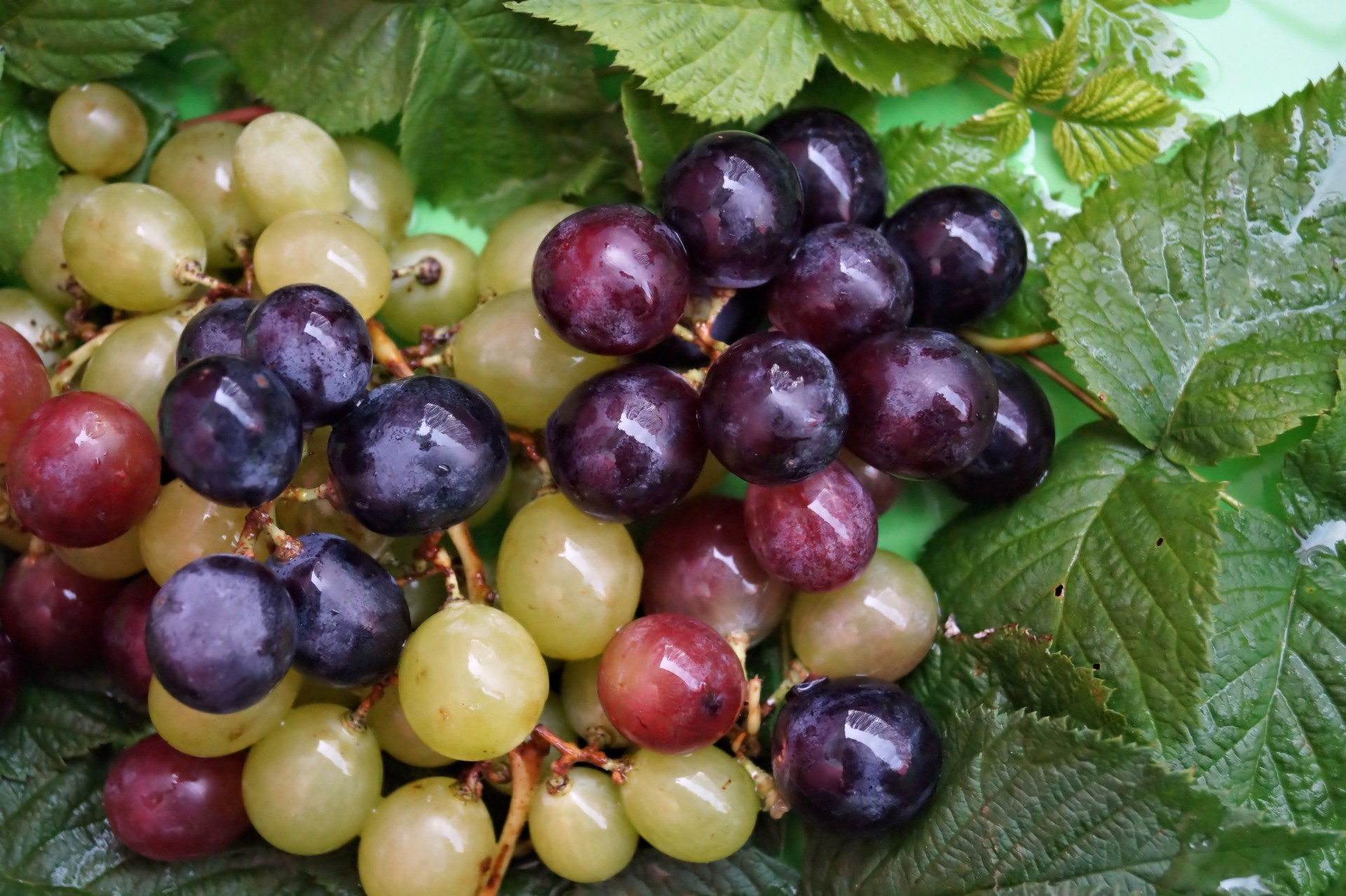
To understand why the grape earns its true berry classification, one must examine fruit anatomy and pericarp layers. When a pollinated blossom on a grapevine (Vitis vinifera) finishes flower ovary development, the ovary wall thickens and differentiates into three distinct structural zones that make up the pericarp.
The outermost layer is the exocarp, colloquially known as the grape skin. This dermal layer contains cuticular wax, epidermal cells, and high concentrations of polyphenols like resveratrol and anthocyanins. Just beneath the skin lies the mesocarp, the primary fleshy pulp made of parenchymal cells that swell with water, organic acids, and simple sugars during late-stage veraison.
The innermost layer is the endocarp. In stone fruits, known scientifically as drupes, the endocarp hardens into a dense, woody shell enclosing the seed, seen clearly in plums, cherries, and olives. In drupe vs berry differences, the state of this inner tissue is the decisive diagnostic divide. In a grape, the endocarp remains entirely soft, gelatinous, and fleshy, merging seamlessly with the mesocarp around two to four small seeds. This simple fleshy fruit architecture makes the grape an indisputable true berry.
| Fruit Example | Botanical Classification | Floral & Pericarp Origin | Endocarp Structure |
|---|---|---|---|
| Table / Wine Grape | True Berry | Single ovary, simple flower | Fleshy and soft |
| Strawberry | Aggregate-Accessory Fruit | Enlarged flower receptacle | External achenes (dry shells) |
| Raspberry / Blackberry | Aggregate of Drupelets | Multiple ovaries, single flower | Miniature hard pits inside each bead |
| Sweet Cherry | Drupe (Stone Fruit) | Single ovary, simple flower | Hard, lignified stony pit |
Maya is a hardware enthusiast who tests and reviews smart home devices, smartphones, wearables, and audio gear. She focuses on practical consumer value and build quality.
